
Call Us 24/7
+91 6357173693
Send Us Mail
business@imacengineering.com
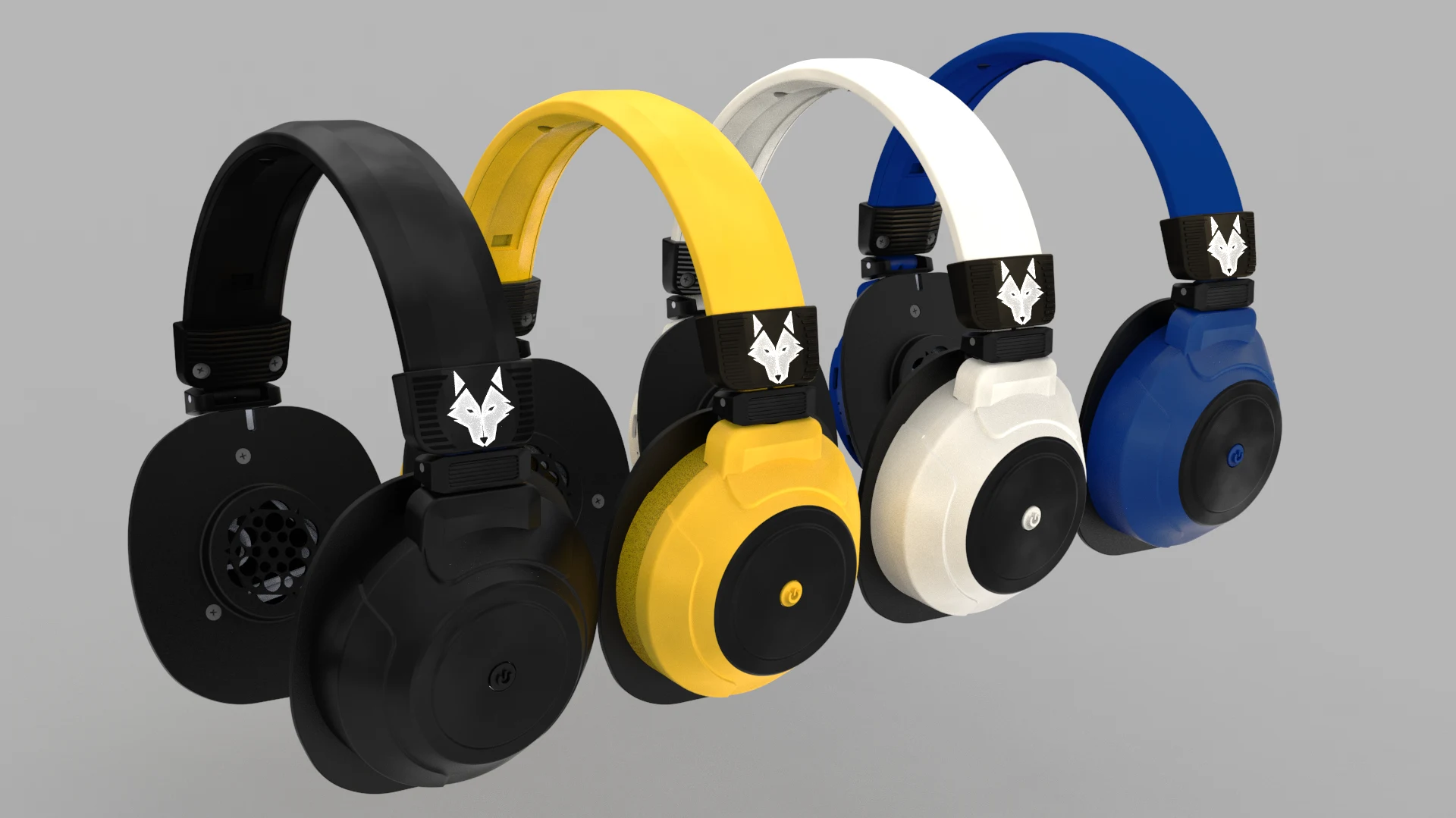
Built for long gaming sessions, this headset combines lightweight comfort, seamless styling, durable earcup movement, and injection molding-ready construction.
This case study covers iMAC Design and Engineering Services’ mechanical design work on a gaming headphone. The brief required a lightweight, ergonomically optimized headset designed from the ground up for plastic injection molding and mass production — with no compromise on aesthetics or user comfort.
iMAC’s scope covered the full mechanical structure: headband design, earcup articulation mechanism, headband adjustment system, and production-oriented design across all plastic components.
| Product | Gaming Headphone – Mechanical Structure Design |
|---|---|
| Industry | Consumer Electronics |
| Services | Product Design & Development, CAD Engineering |
| Key Requirement | Injection molding-ready, zero metal hinges, seamless visual finish |
| Design Scope | Headband, earcup articulation, adjustment mechanism, cushioning system |
The brief called for a gaming headphone that balanced three things equally: user comfort during long sessions, a modern aesthetic that appeals to gamers, and a design that could be efficiently mass-produced through plastic injection molding.
On the comfort side, the headband and ear cups needed soft, breathable cushioning — memory foam padding with a breathable mesh covering — to distribute pressure evenly and prevent heat build-up during extended use. The adjustment mechanism had to accommodate a wide range of head sizes through a smooth, click-based extension system.
For the frame, lightweight yet durable plastics — ABS or polycarbonate — were specified to keep weight low without compromising structural integrity. Aesthetically, the design needed dynamic lines, customizable RGB lighting, and color accents while keeping the overall form clean and uncluttered.
From a production standpoint, the entire design had to be optimized for plastic injection molding — minimizing metal parts, ensuring clean part separation, and supporting a modular construction that allows easy replacement of ear pads, cables, and headband cushions.
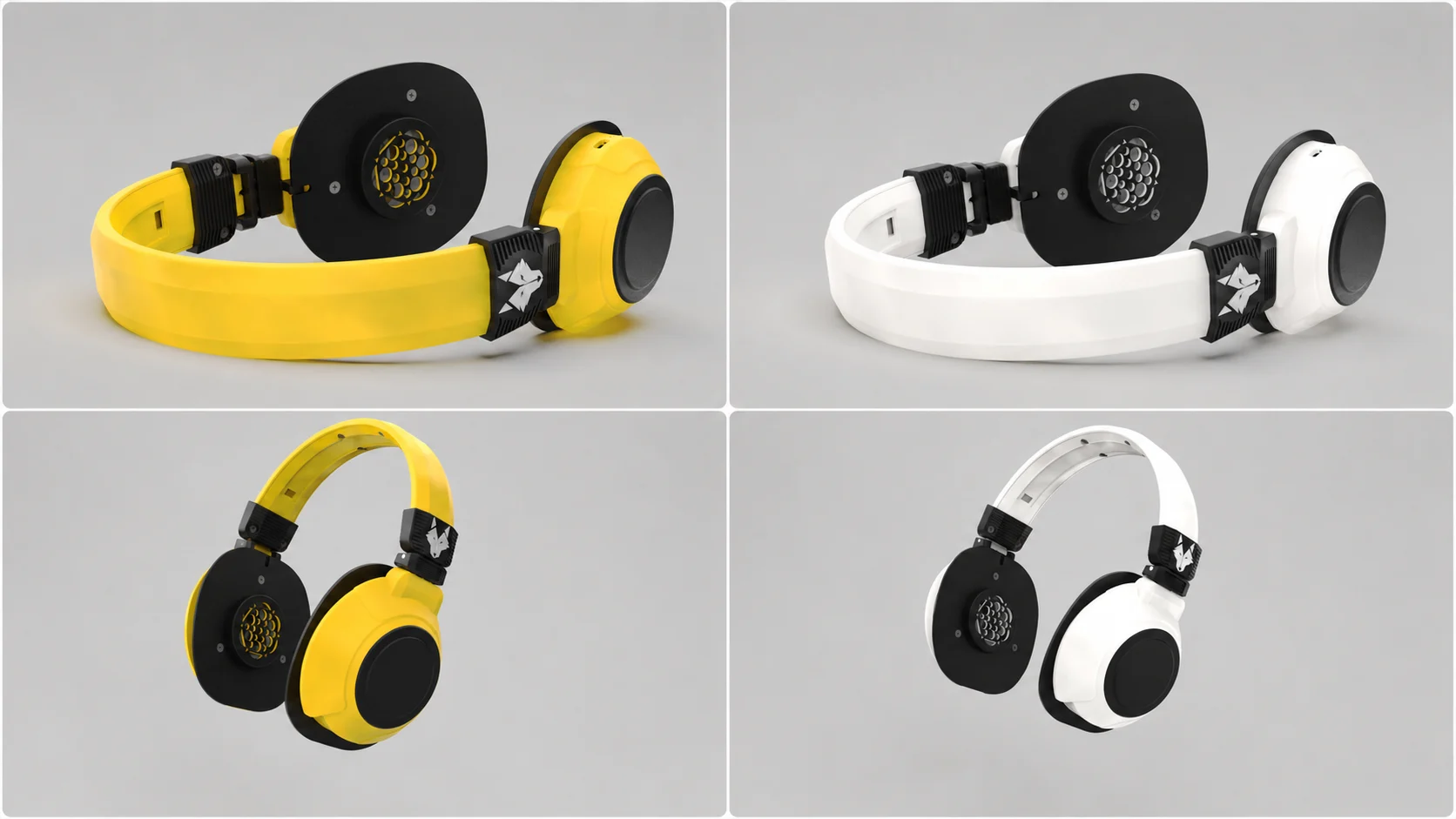
The headband was split into two separate plastic components, which simplified tooling and mold fabrication considerably. To maintain the seamless appearance, the team engineered an internal overlap geometry that conceals the joining line between the two parts. From the outside, the headband reads as a continuous, single-piece structure. The split reduces mold complexity and production cost while delivering the clean visual result the design required.
Rather than using metal hinges or mechanical stops, the team developed a plastic-to-plastic interference stop system. The parts were engineered with calculated friction surfaces and contact angles that allow smooth rotation up to exactly 90 degrees — at which point the geometrically defined surfaces interlock through natural resistance and hold position without any additional components. This keeps the exterior slim, eliminates metal hardware from the rotation joint, and improves long-term durability by removing parts that could wear or fail independently.
Instead of a multi-part or metal-strip sliding system, the team designed a single-piece sliding mechanism with the adjustment path molded directly into the headband structure. This reduces total part count, eliminates the weak joints that multi-part systems introduce, and gives users a smooth, consistent adjustment range that holds alignment across head sizes. It also simplifies assembly and speeds up production — fewer parts to install, fewer points of failure in the field.
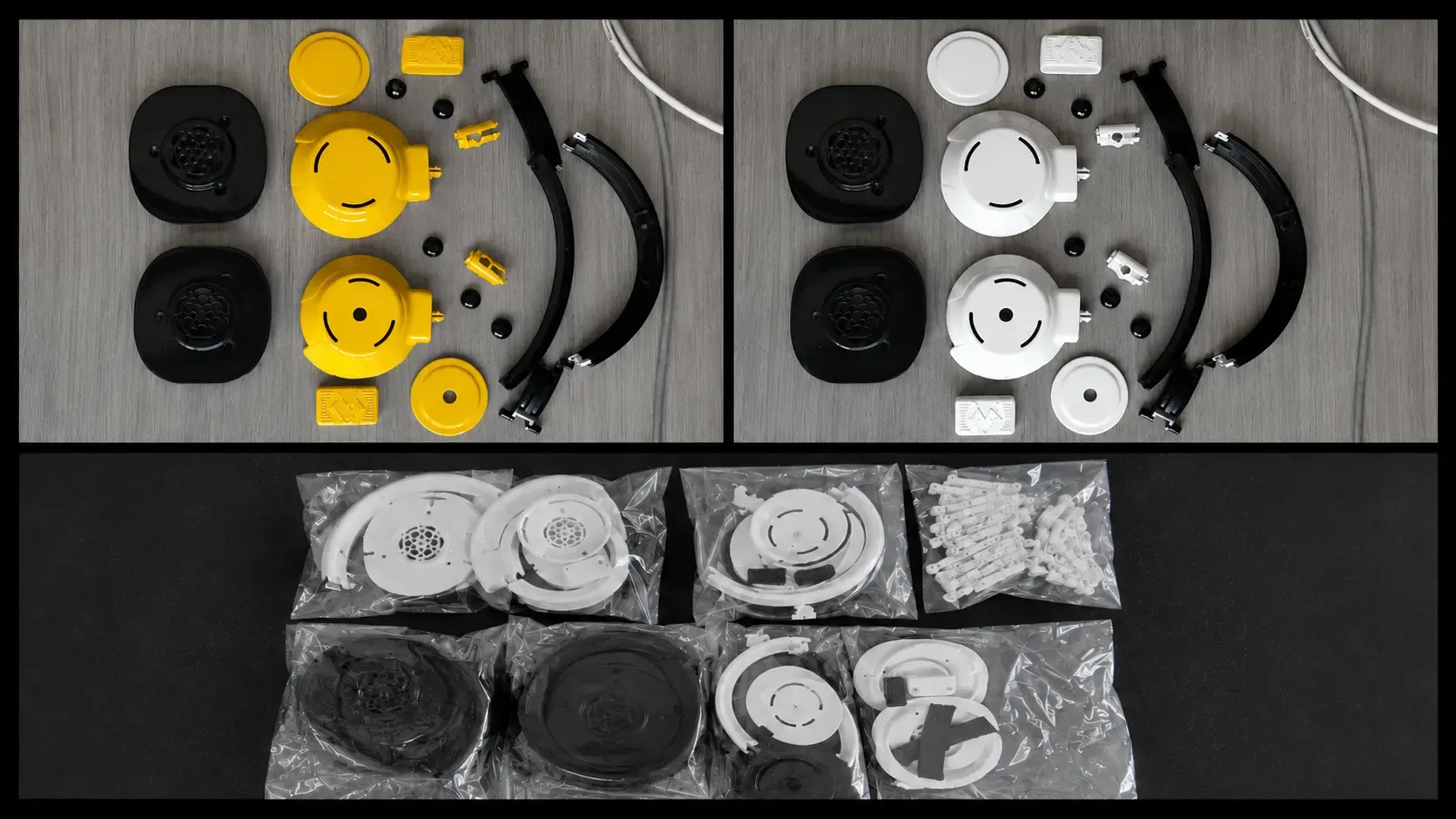
The final product design is a lightweight gaming headset where every structural decision was made with both the user and the production line in mind.
The two-part headband reads as seamless from the outside — the internal overlap geometry does its job invisibly. The 90° earcup rotation works without metal hinges, keeping the form slim and the mechanism durable. The single-piece sliding adjustment covers a wide range of head sizes with fewer components than a conventional system.
The design was developed for plastic injection molding and mass production — reduced part count, simplified assembly, and modular construction that allows ear pads, cables, and headband cushions to be replaced independently. The result is a gaming headphone that meets comfort and aesthetic expectations for competitive gaming while being straightforward and cost-effective to manufacture at scale.
.webp)
A smart-device control product case study covering industrial design, engineering integration, and market-ready development.
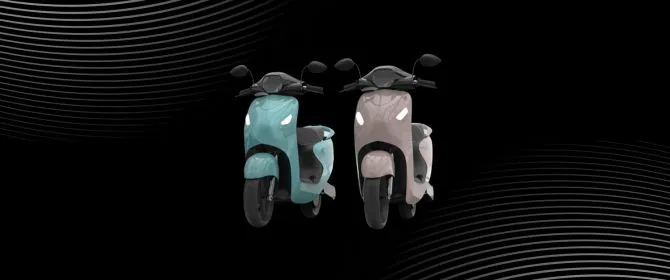
An integrated redesign covering dashboard layout, IP69-rated battery enclosure, mudguard redesign, and brand-consistent charging port integration.

A comprehensive medical device redesign focused on structural refinement, component integration, and improved usability for real clinical environments.
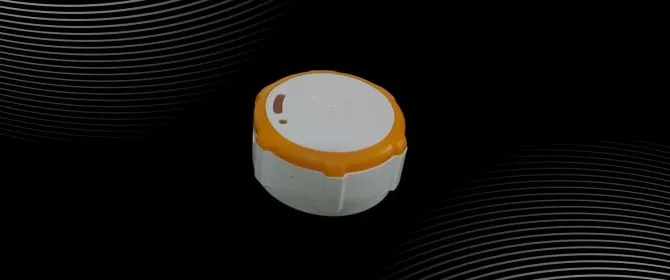
Engineering and product validation work replacing glue assembly with snap-fit construction for a production-ready IoT medical enclosure.
 Download Brochure


