
Call Us 24/7
+91 6357173693
Send Us Mail
business@imacengineering.com
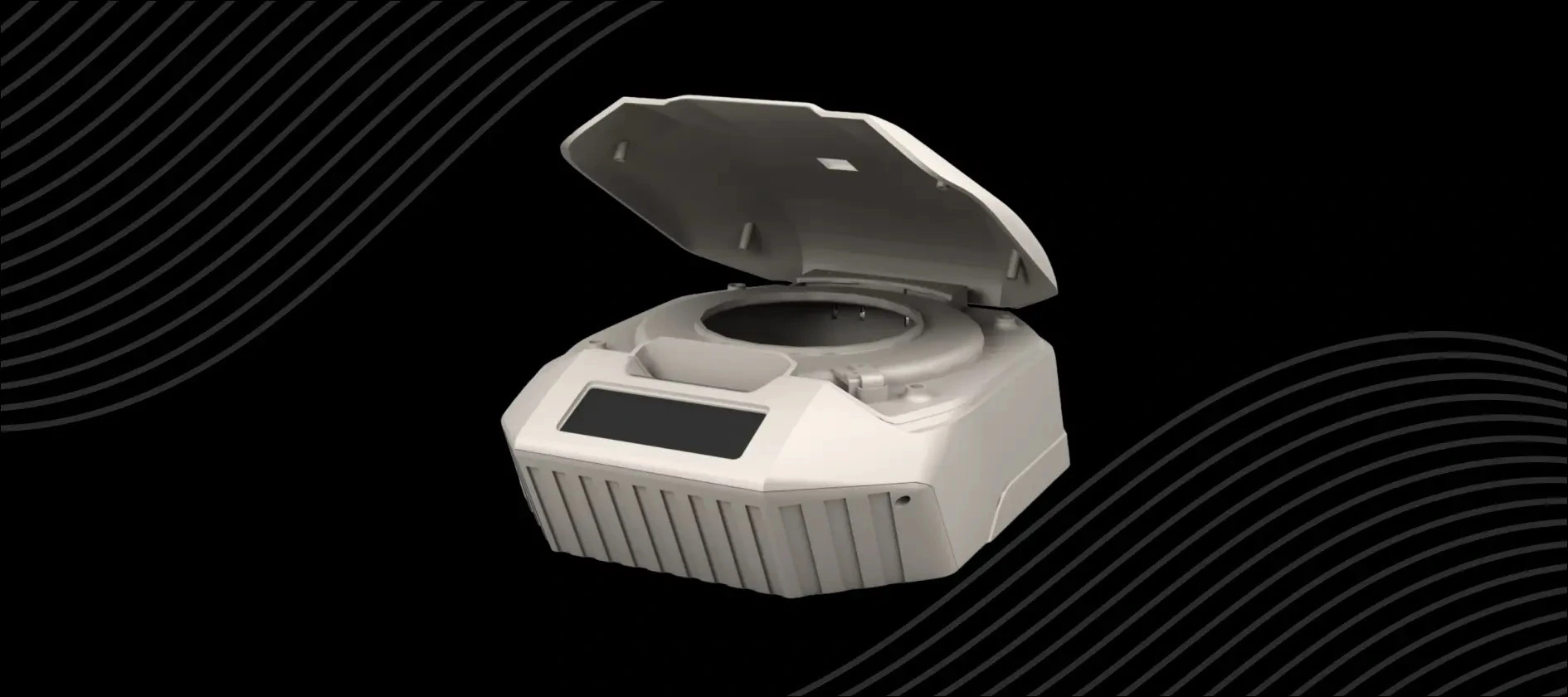
This centrifuge redesign gave an existing machine a modern, automotive-inspired enclosure while keeping its core mechanics unchanged and the final design injection molding-ready.
This case study covers iMAC Design and Engineering Services’ exterior enclosure redesign for a blood-separation centrifuge machine. The core mechanics of the existing machine stayed unchanged. iMAC’s scope was the enclosure: generating design concepts, selecting a direction with the client, refining it through 3D print prototyping, and delivering a final design ready for injection molding.
| Product | Blood-Separation Centrifuge Machine |
|---|---|
| Industry | Laboratory Equipment |
| Services | Product Design, Industrial Design, 3D Printing / Prototyping |
| Stage | Concept to injection molding-ready design |
| Design Scope | Exterior enclosure only – no mechanical rework |
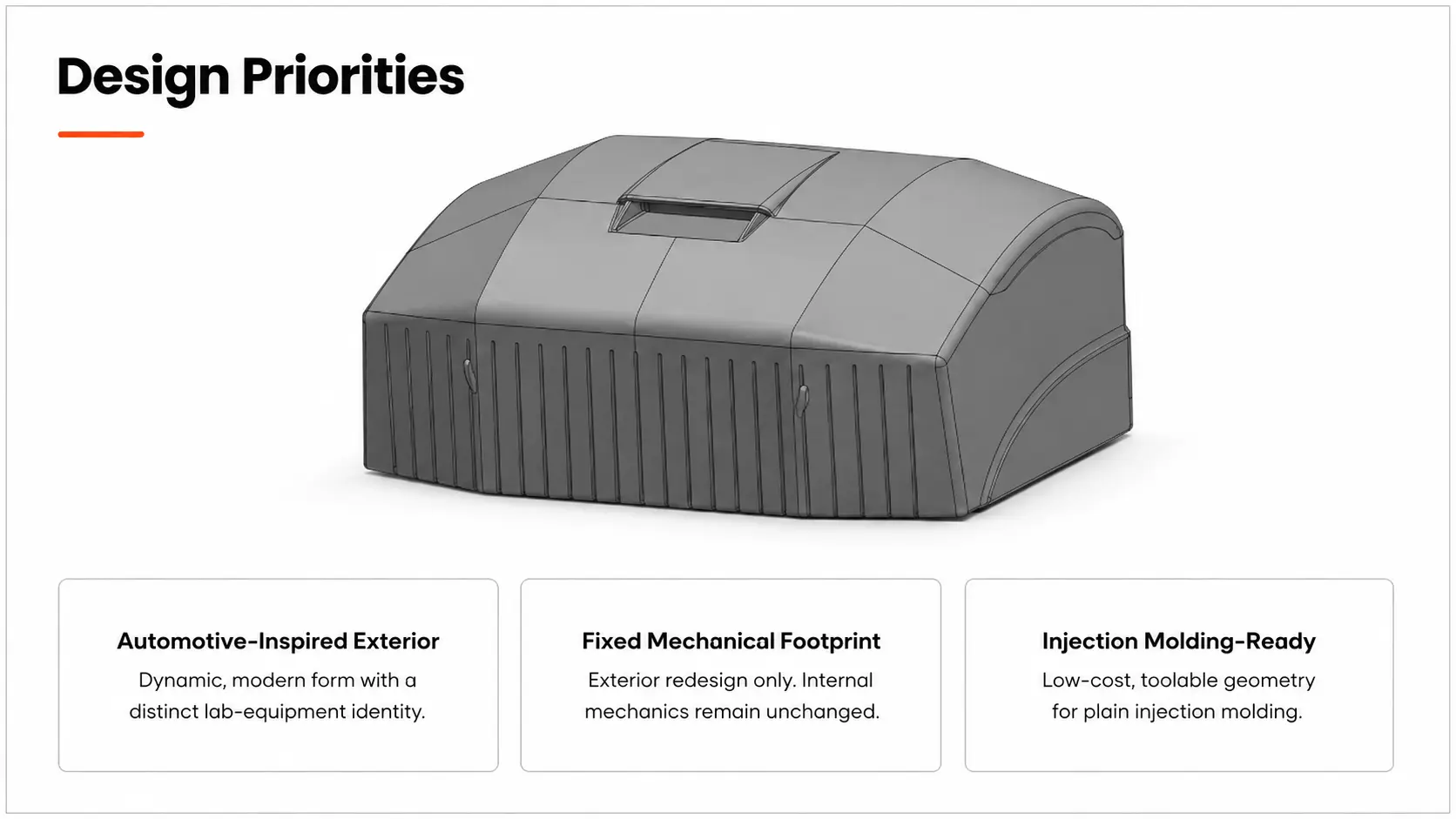
The client wanted to modernize the exterior appearance of an existing blood-separation centrifuge without touching its internal mechanics. The brief had three clear priorities.
The new look had to carry an automotive-inspired character — dynamic, modern, and visually distinct from generic lab equipment. The redesign had to stay within a low-cost envelope, which ruled out expensive finishes, complex tooling processes, or multi-material construction. The final product design also had to be fully feasible for plain injection molding with no exotic manufacturing methods required.
The project needed to start broad, generating enough concept variety for the client to make an informed choice, before narrowing toward a prototype that could be physically validated.
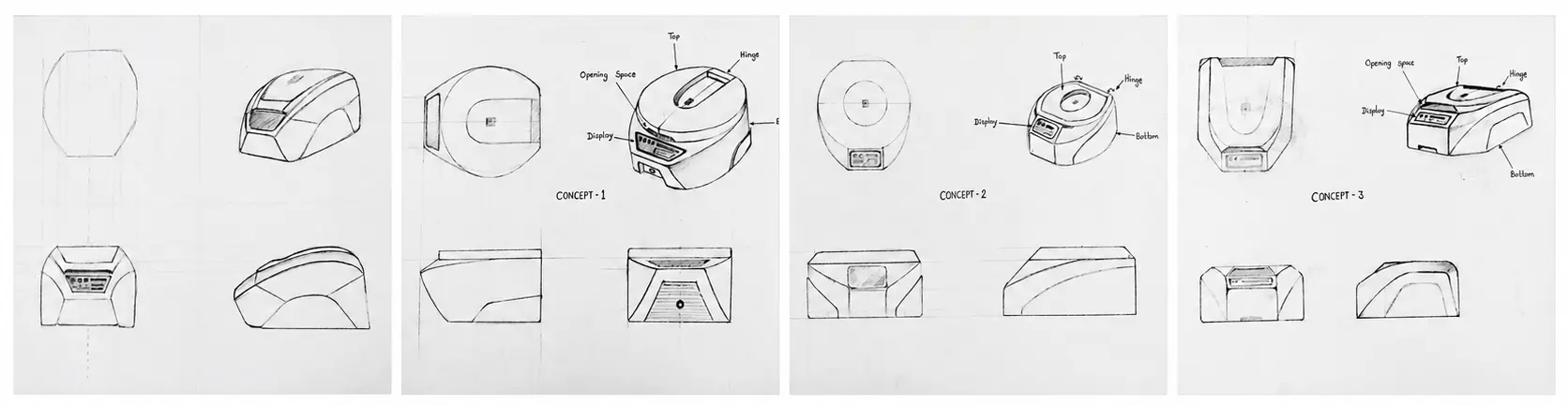
The team started by sketching ten distinct design concepts, each exploring a different visual direction from minimalistic to sporty. This gave the client a wide range to respond to. Based on client feedback, three concepts moved forward for closer evaluation.
The team worked from the existing assembly to capture precise dimensions and functional interface points. These details fed directly into manufacturability studies, ensuring the preferred concept could be built to fit the machine without modification.
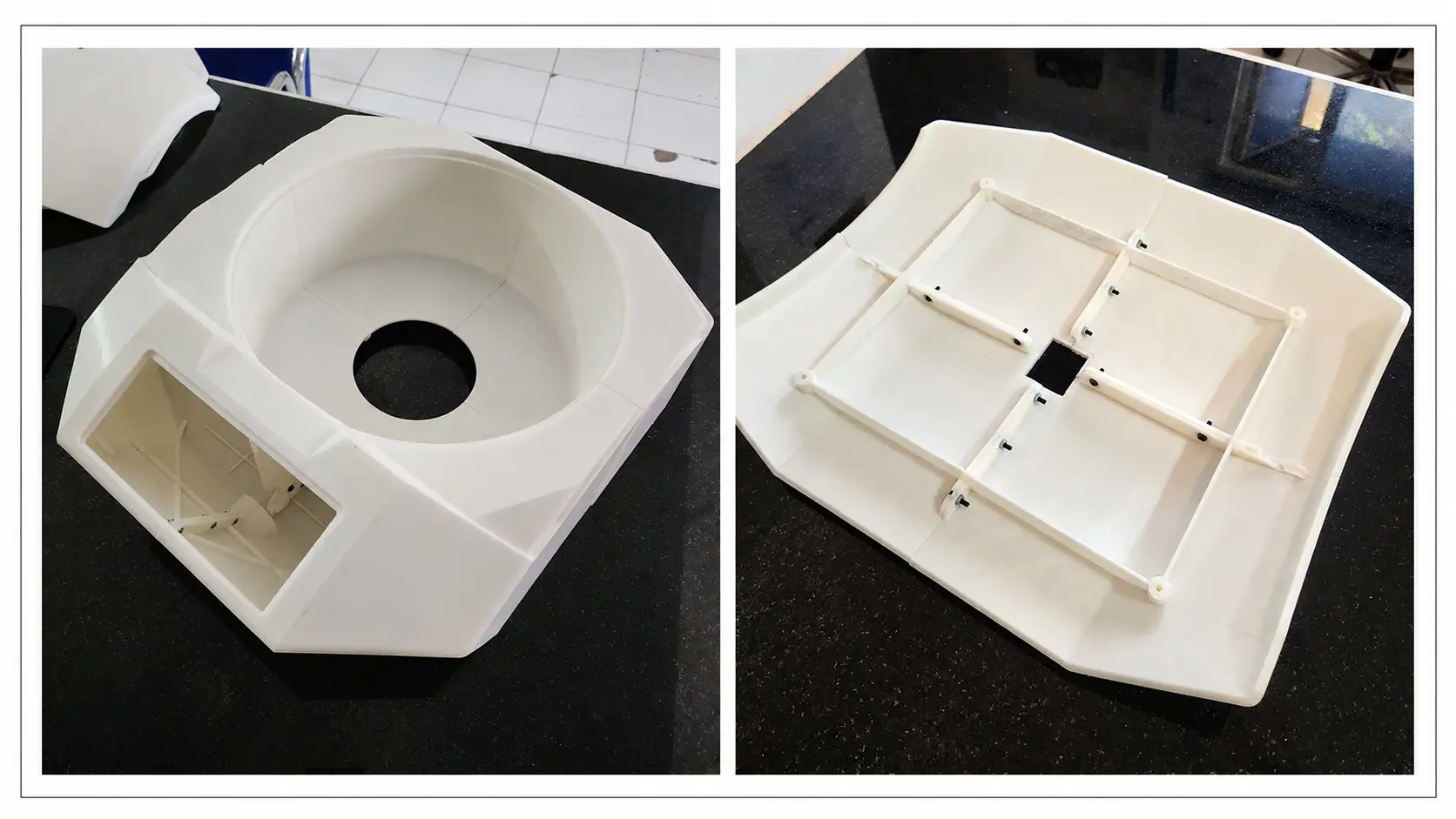
The team modeled and 3D printed the top concept for physical evaluation. Having the prototype in hand accelerated client decision-making and surfaced additional detailing opportunities that were harder to judge from renders alone. The team added buffer lines and trim accents drawn from car design influences through this hands-on iteration stage.
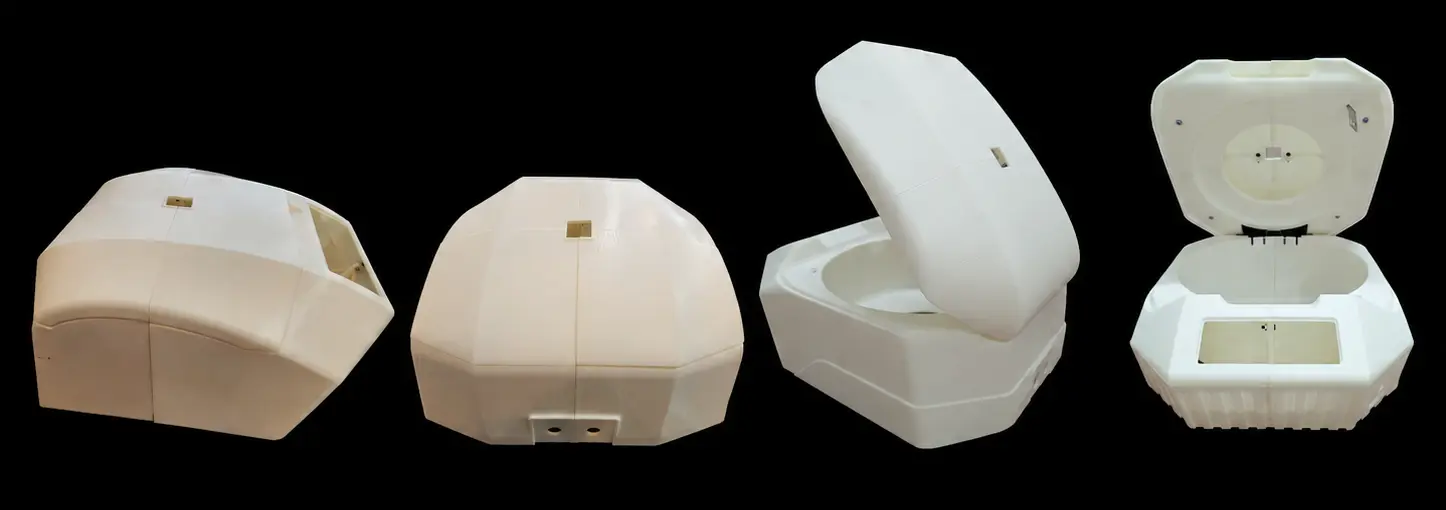
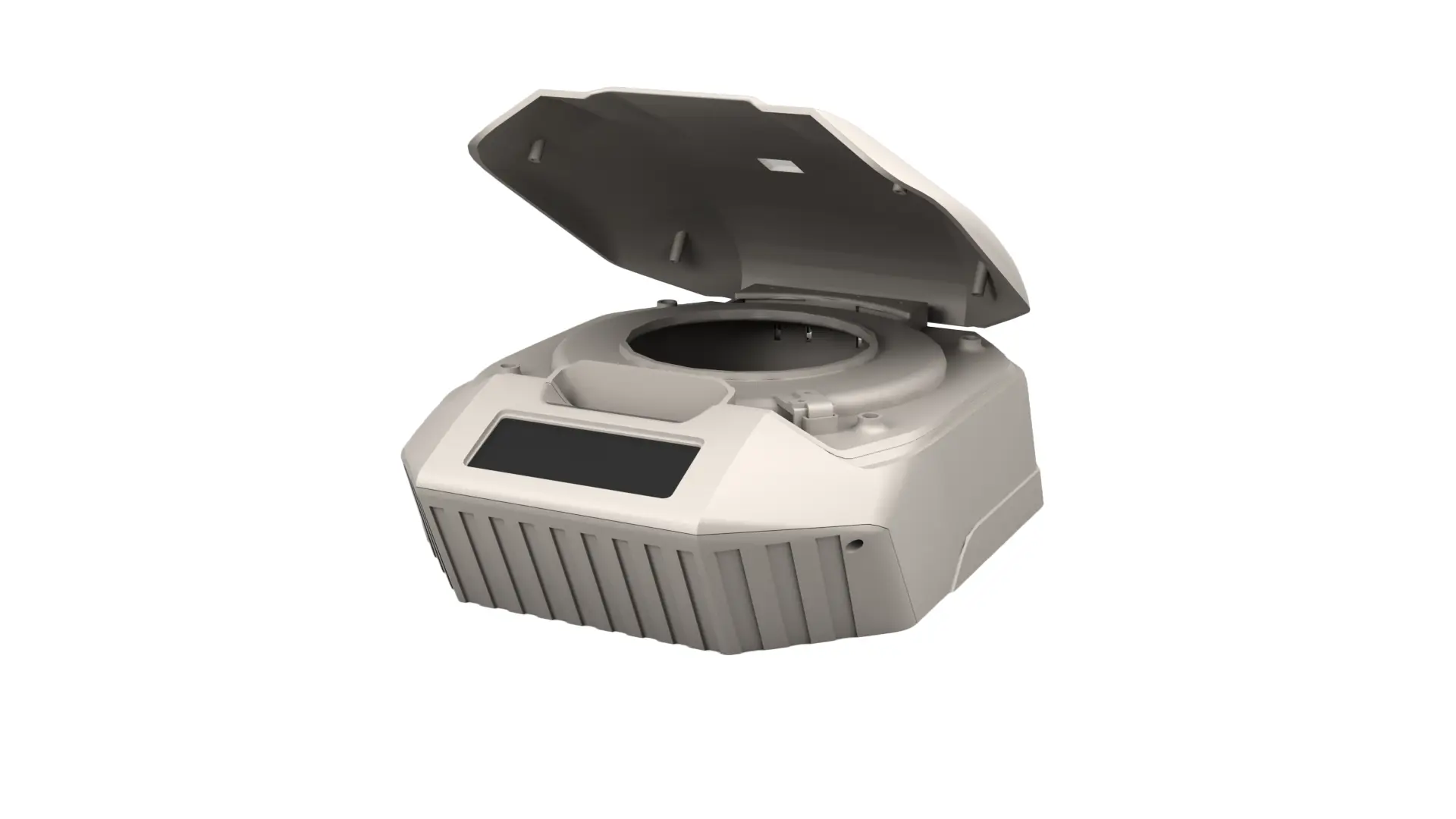
The team refined the final geometry for mold production, addressing draft angles, ribbing, wall thickness, and snap-fit features. The final version met all tooling requirements for low-cost injection molding.
The project delivered a visually refreshed centrifuge enclosure with an automotive character, produced without any mechanical rework to the existing machine.
The final design met all injection molding feasibility criteria including correct draft, wall thickness, ribbing, and snap-fit geometry, and required no expensive tooling or finishing processes. The 3D printed prototype gave the client a tangible reference that sped up alignment on the final aesthetic direction. The team validated the automotive character physically through the prototype before locking the design.
The project delivered both the aesthetic result the client wanted and a design file ready to hand to a tooling supplier.
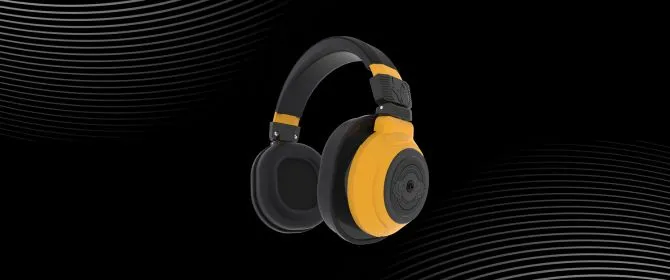
See how iMAC combined lightweight ergonomics, concealed headband geometry, 90° earcup movement, and injection molding-ready construction in one headset design.
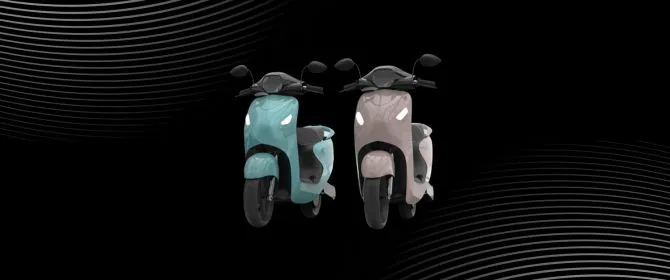
An integrated redesign covering dashboard layout, IP69-rated battery enclosure, mudguard redesign, and brand-consistent charging port integration.
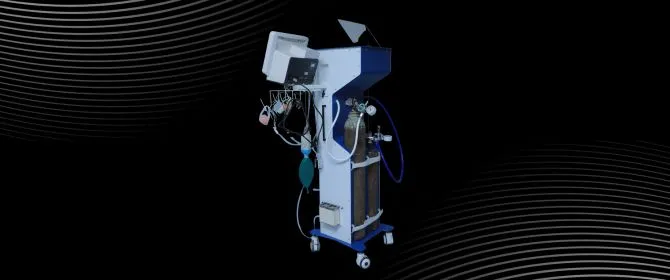
A comprehensive medical device redesign focused on structural refinement, component integration, and improved usability for real clinical environments.
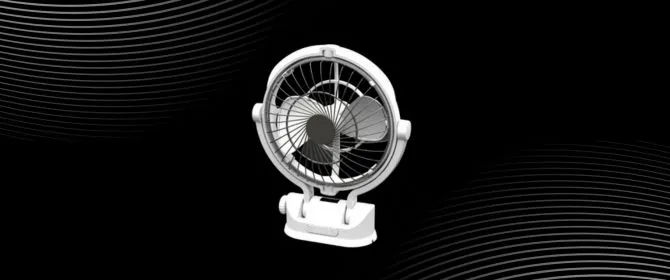
See how iMAC redesigned a caravan fan with remote control, rotation locking, timer settings, battery protection, and clearer user feedback.
 Download Brochure


