
Call Us 24/7
+91 6357173693
Send Us Mail
business@imacengineering.com
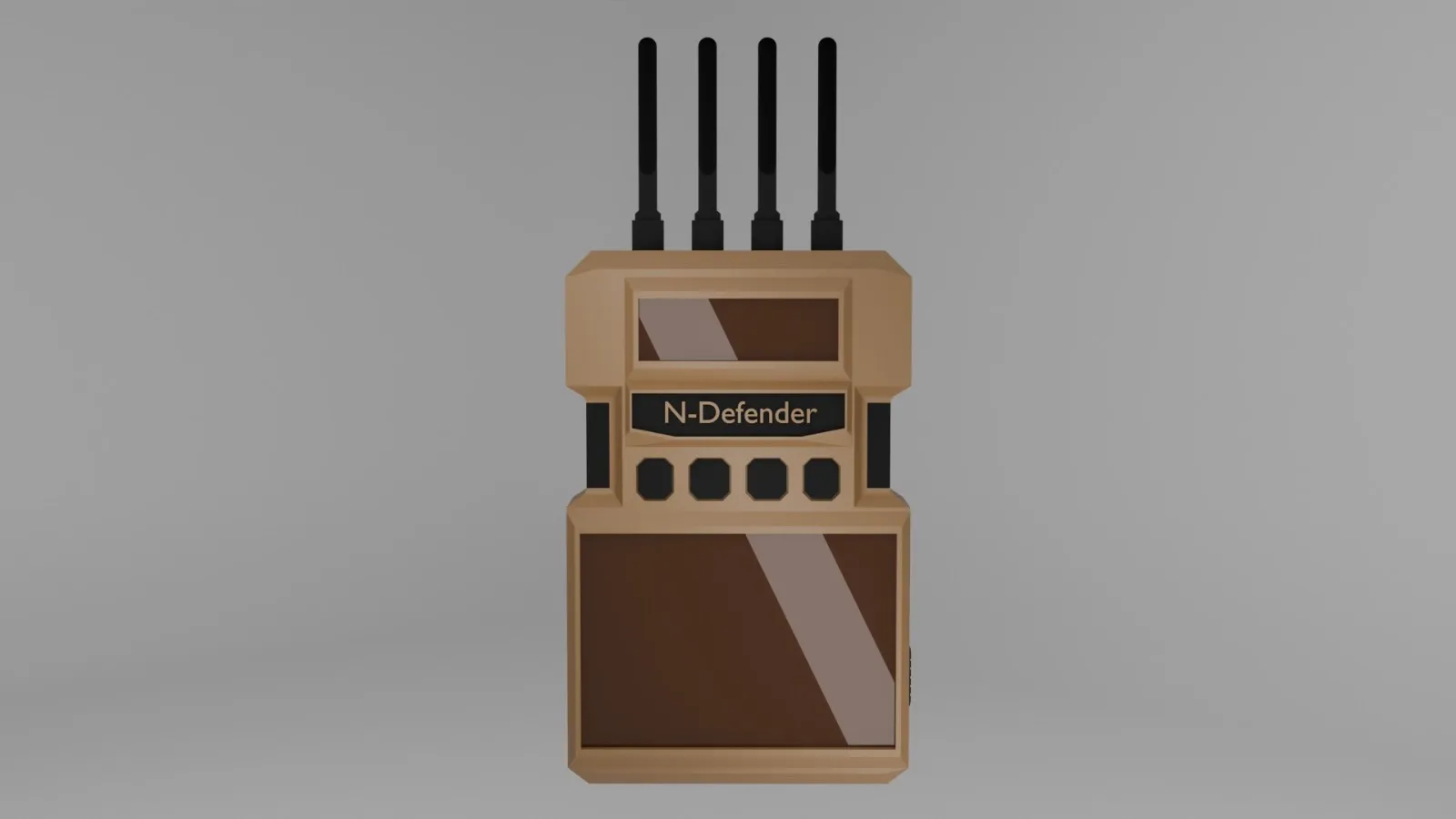
The handheld drone tracking device needed a rugged enclosure that could work comfortably in hand or clipped to tactical gear, without losing compactness or clear control access.
This case study covers iMAC Design and Engineering Services' product development work on a rugged handheld drone tracking device enclosure for a defence application. The project was scoped to the design stage: form factor exploration, ergonomic direction, and a defence-grade visual language that the client could take forward into engineering and prototyping.
No engineering validation or simulation was involved at this stage. Every structural, ergonomic, and aesthetic decision was made at the concept level, with the intent of giving the client a credible, field-ready design direction as a foundation for the next phase.
| Product | Handheld Drone Tracking Device Enclosure |
|---|---|
| Industry | Defence / Field Equipment |
| Services | Product Design, Industrial Design, Concept Development, CAD |
| Stage | Concept development and form factor exploration |
| Design Scope | Enclosure form, dual-mode usability, antenna placement, control interface, clip mechanism, IP54 design intent |
The goal of this project was to develop a rugged, portable enclosure for a handheld drone tracking device - one that visually and ergonomically matches the demands of defence-grade field equipment. The scope was focused on concept development and form factor exploration, establishing a design direction that a client could carry confidently into engineering and prototyping phases.
The device needed to work in two modes - handheld and wearable - while integrating a multi-band antenna array, tactile control interface, display, and secure rear clip mechanism, all within a compact, field-operable form.
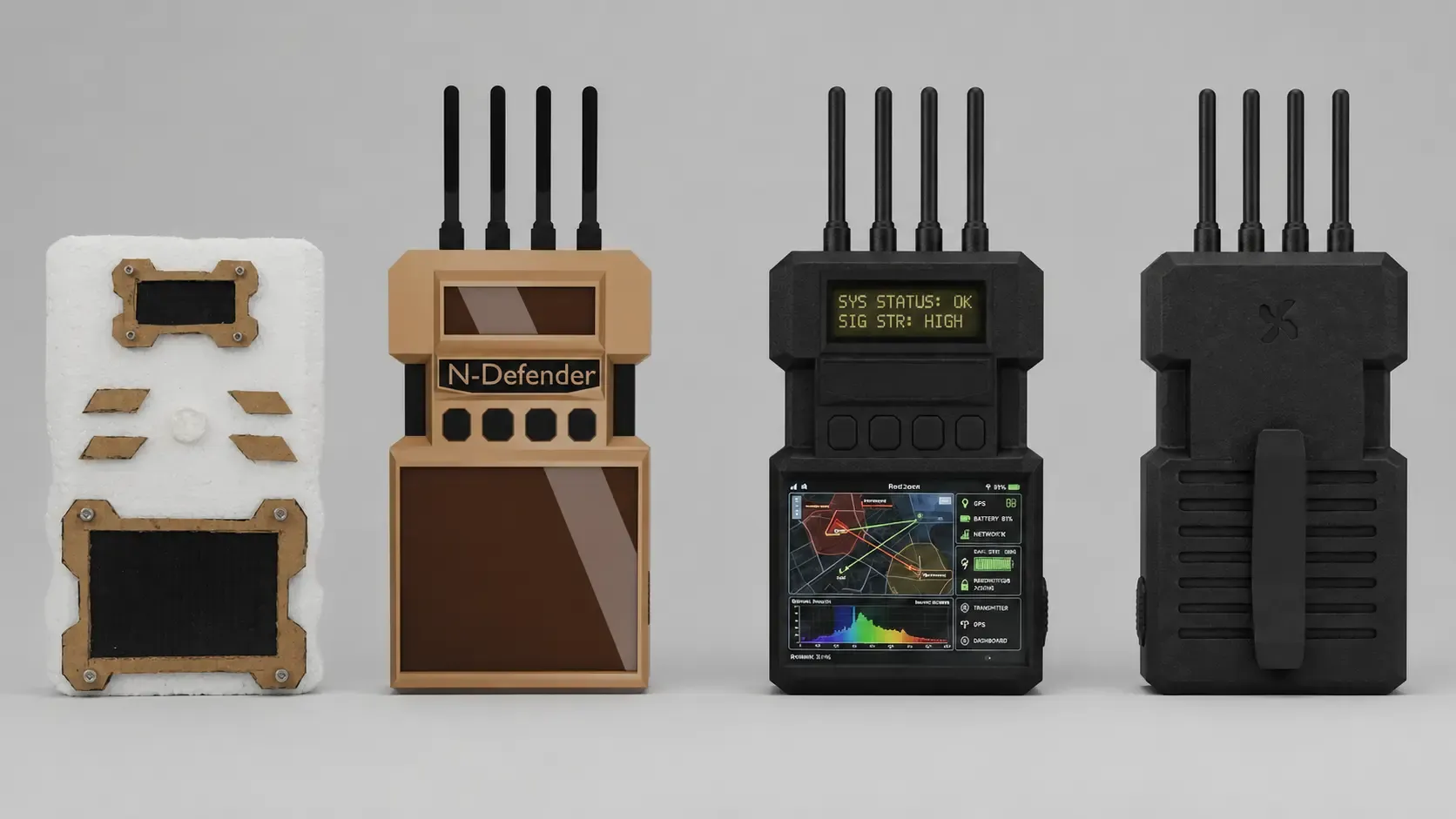
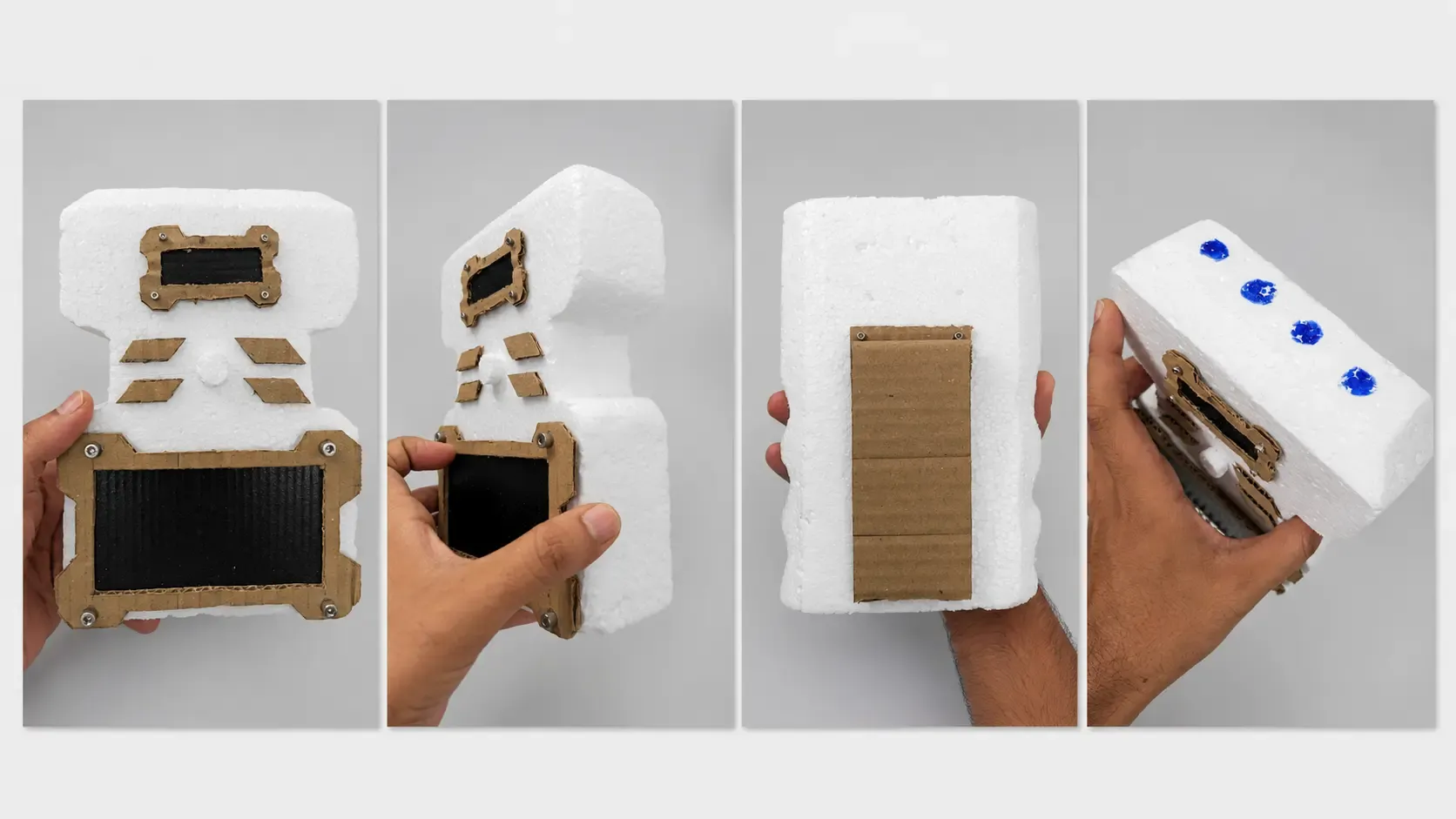
The project presented several interconnected design challenges that had to be resolved at the concept stage, without detailed engineering validation or simulation data to rely on.
Balancing ruggedness with portability was the central tension from the start. Defence equipment needs to feel solid and protective, but a handheld tracking device also needs to stay light and manageable during extended field operations. Making the enclosure feel military-grade without making it bulky required careful proportion decisions across every design iteration.
Working within concept constraints meant that every decision - structural, ergonomic, and aesthetic - had to be made without the safety net of engineering validation. The team had to design within these limits while still producing a direction credible enough to carry into the next phase.
Dual-mode usability added another layer of complexity. The device had to function comfortably as both a handheld unit and a wearable clipped to a belt or tactical vest, which meant ergonomic usability had to hold up in both configurations simultaneously - not just one.
Antenna placement had to be resolved conceptually, without signal testing or RF simulation. The team had to position the multi-band antenna array in zones that would support tracking efficiency and minimize interference purely through spatial reasoning and design intent.
Integrating multiple functional elements - buttons, the display, and the rear clip mechanism - into a single clean, compact layout was a significant layout challenge. Each element competed for space and visual weight, and getting them to coexist without cluttering the form required multiple iterations.
Visualizing thermal management and ventilation without engineering simulations meant the team had to embed heat dissipation logic into the enclosure geometry based on principle rather than validated data - enough to establish intent for the next engineering phase.
Finally, maintaining IP54-rated design intent through form and sealing concepts only, without physical testing, meant that every junction line, port recess, and material transition had to carry the sealing logic forward in a way the next team could build on directly.
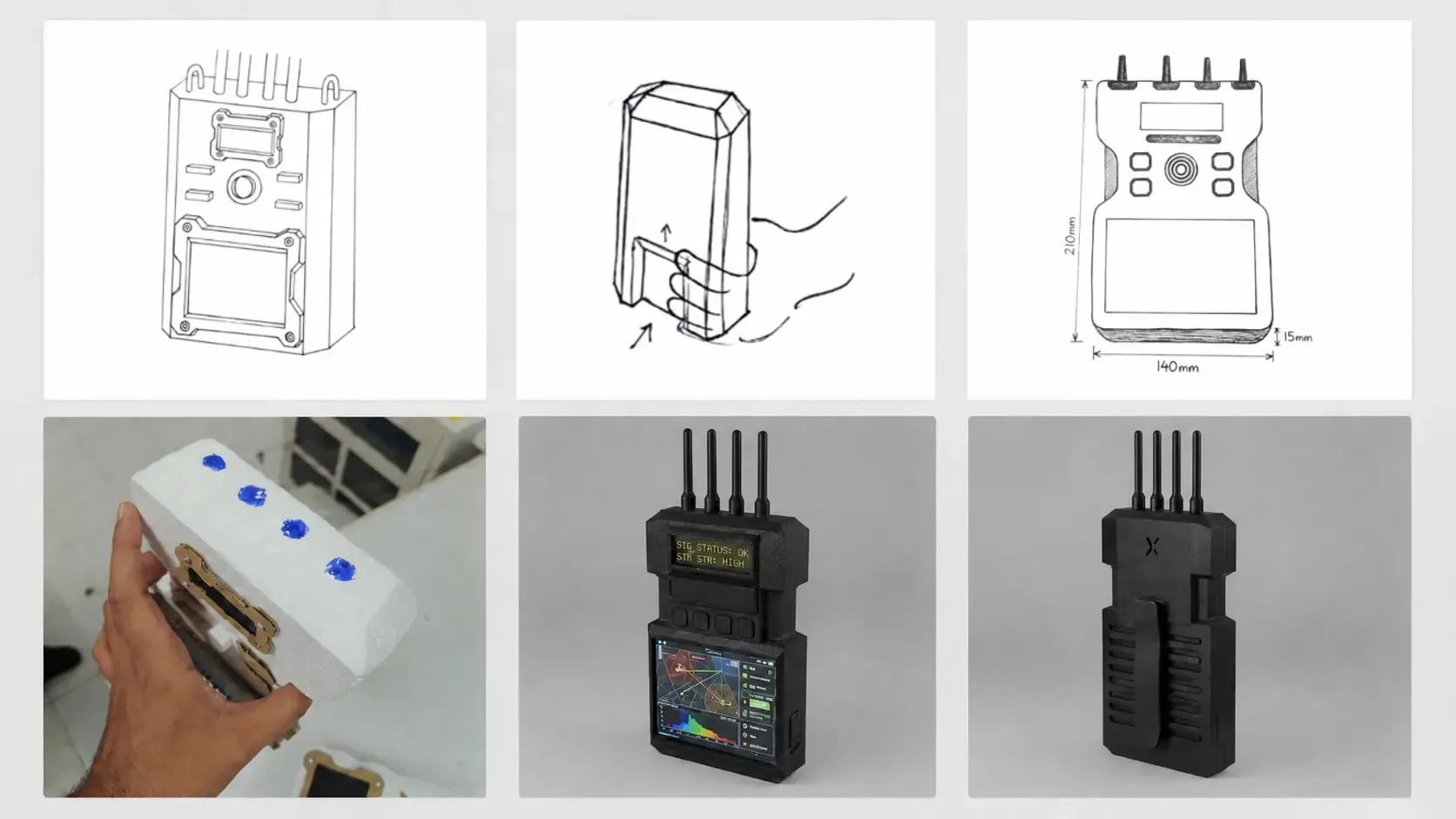
The enclosure was developed with strong edges, fillets, and protective geometry that reflects the visual and structural language of defence equipment. Throughout the process, a balanced proportion between usability, grip comfort, and rugged aesthetics was maintained - ensuring the device felt purposeful in hand without sacrificing the tactical look the client needed.
The control interface was centralized and organized around thumb reach, making it accessible and intuitive during active use. Multiple button layout concepts were explored with a focus on tactile clarity and quick operation, so an operator could navigate controls confidently without looking down. A 360° joystick/roller interaction concept was introduced for precise directional control, complementing the button layout.
Antenna placement zones were conceptualized to support multi-band tracking efficiency, with positioning designed to minimize interference between frequency bands at a layout level. The rear clip mechanism was integrated directly into the enclosure form - not added as an external component - to allow secure attachment to belts and uniforms without disrupting the overall profile.
Ventilation patterns and heat dissipation cues were incorporated into the enclosure design to address thermal management at a conceptual level. The form was aligned with IP54 protection principles for dust and splash resistance through considered placement of junctions, ports, and sealing zones. Compact internal zoning for the battery and electronics was also explored at a layout level, giving the client a credible starting point for the engineering phase that follows.
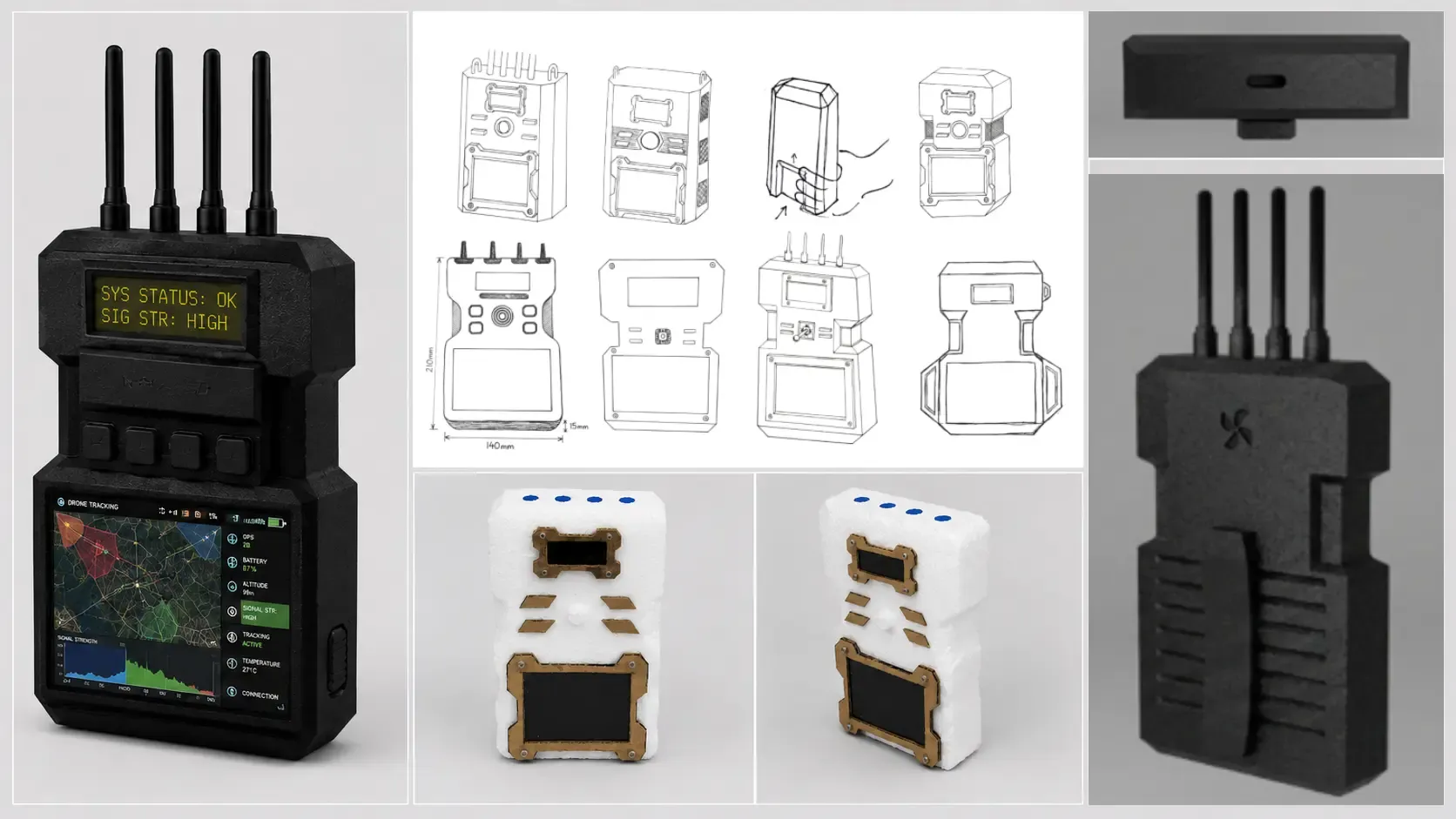
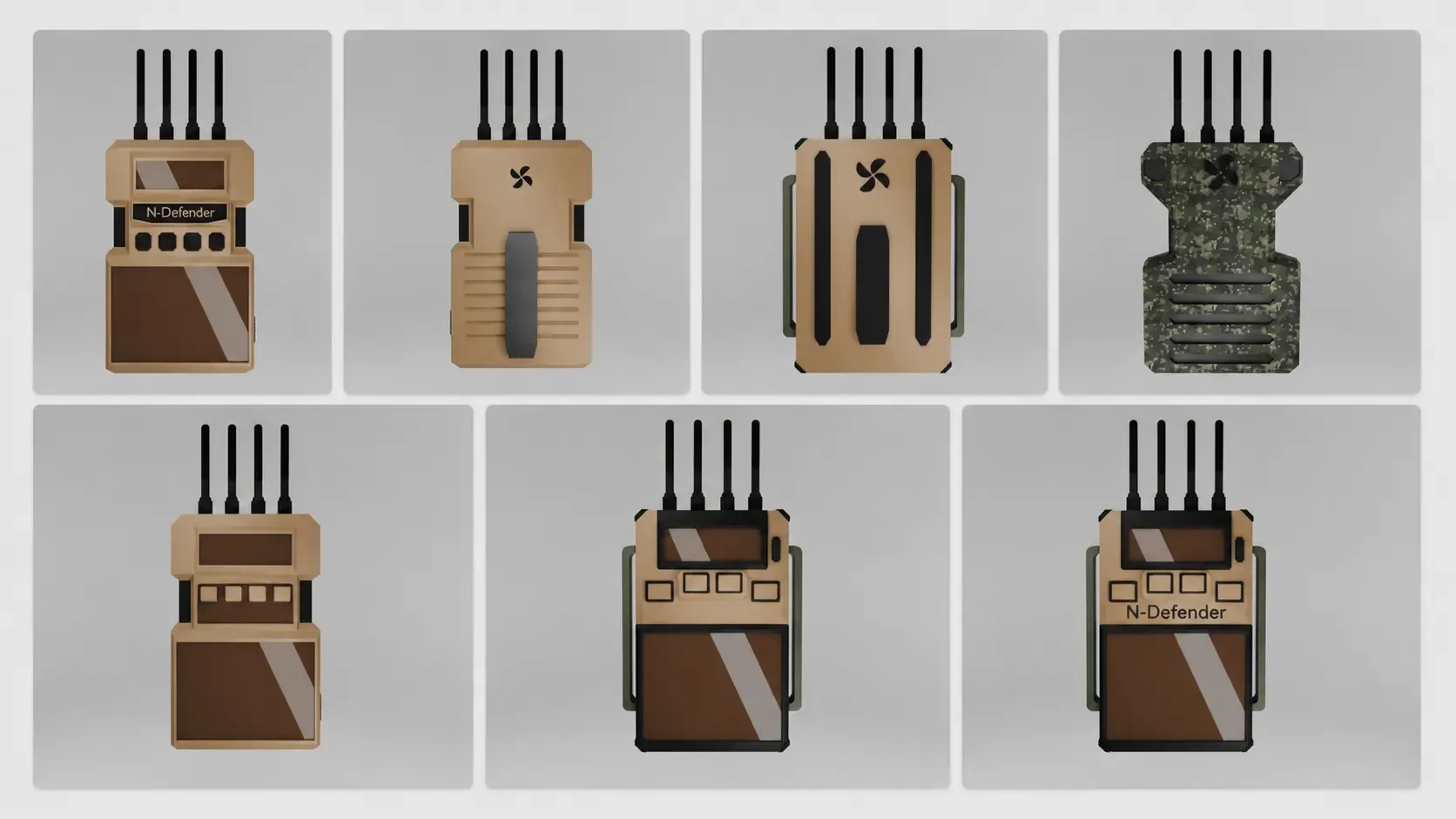
The project delivered 4–5 refined concept designs, each showcasing a strong and consistent defence-oriented design language. This work established a clear form factor direction, giving the client a concrete starting point for future engineering development rather than an open-ended set of options.
The concepts achieved a user-centric ergonomic design suited to field operations, giving the client a clear sense of grip, proportion, and handling before committing further resources. The result was a visually compelling and functional enclosure concept that also laid the groundwork for antenna integration and internal architecture in the next phase.
Most importantly, the project successfully translated the client's requirements into a practical, manufacturable design vision at the concept stage - giving them a credible foundation to move forward with engineering, prototyping, or validation, whichever path best suits their next steps.

A comprehensive medical device redesign focused on structural refinement, component integration, and improved usability for real clinical environments.
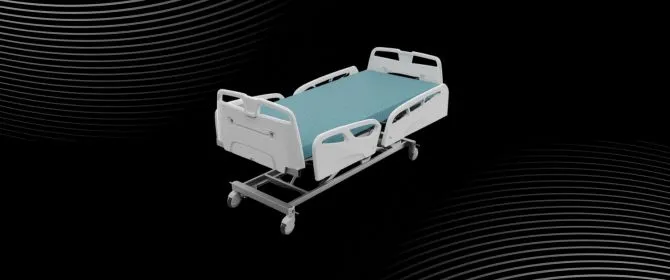
A refined patient-care product case study focused on structural design, usability, and product-development improvements for healthcare environments.
Engineering and product validation work that improved performance, manufacturability, and real-world readiness for a critical detection solution.
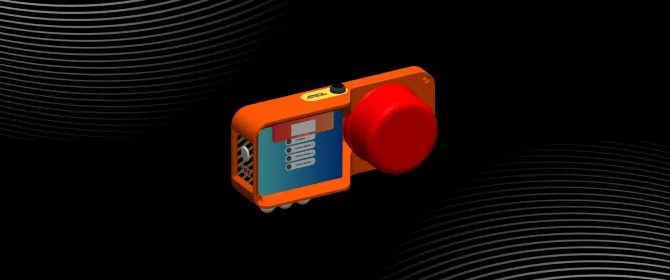
A smart-device control product case study covering industrial design, engineering integration, and market-ready development.
 Download Brochure


