
Call Us 24/7
+91 6357173693
Send Us Mail
business@imacengineering.com
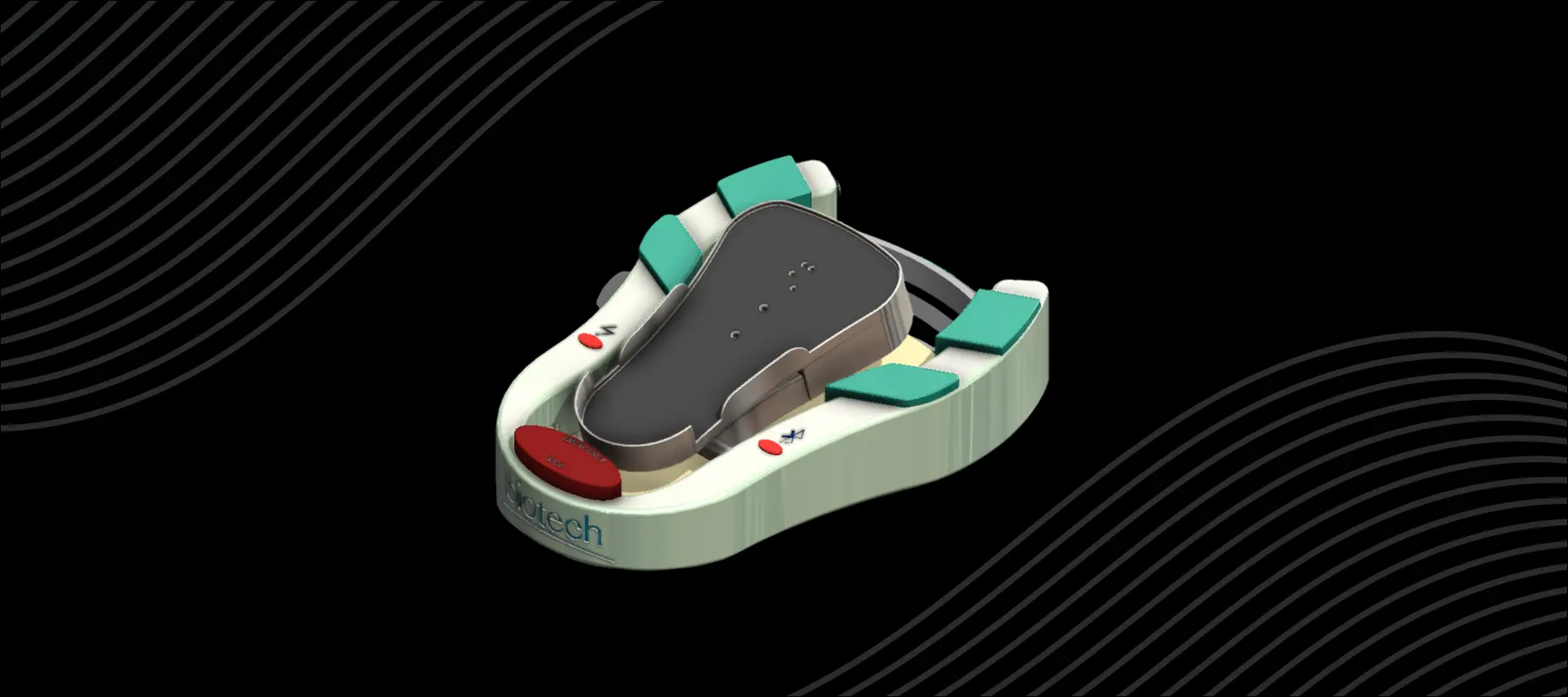
The cataract surgical foot pedal needed a compact redesign with simplified mechanics, AMR sensor-based position detection, feather-touch buttons, ergonomic actuation, and improved reliability for operating room use.
This case study covers iMAC Design and Engineering Services’ re-engineering work on a surgical foot pedal used in cataract procedures. The existing device had been in use for over three decades and required a mechanical, electronic, and aesthetic redesign to meet the ergonomic, aesthetic, and reliability demands of modern operating room environments.
| Product | Cataract Surgical Foot Pedal |
|---|---|
| Industry | Medical Devices and Healthcare |
| Services | Medical Device Design and Development |
| Stage | Redesign - mechanical, electronic, and aesthetic |
| Design Scope | Mechanism simplification, sensor upgrade, button design, ergonomics, local component sourcing, aesthetic refinement |
The client initially approached iMAC to upgrade the existing foot pedal while keeping its core functionality intact. As the project progressed, the scope expanded considerably.
The client wanted a next-generation foot pedal that was more compact, ergonomic, aesthetically premium, cost-effective, and technologically robust. The product had to meet the demands of operating room use while delivering enhanced user comfort, a longer service life, and improved reliability. Additional requirements included localizing component sourcing to reduce production costs and integrating electronic safety monitoring features.

The redesign process posed numerous challenges from both a mechanical and user-centric perspective.
Key innovations included:
| Design Area | Legacy Design | Redesigned Product |
|---|---|---|
| Mechanism | Gear-based linkages, mechanically complex | Seesaw pivot joint, simplified internal structure |
| Position detection | Faraday-effect magnets, low sensitivity, frequent recalibration | AMR sensors, non-contact, higher resolution and lifespan |
| Magnetic source | Faraday-effect magnetic detection | Rare earth magnets, up to 100 years longevity, half-pea size |
| Buttons | Hard, uncomfortable, fatigue-inducing | Micro tactile push buttons, feather-touch, precisely calibrated |
| Form factor | Bulky, limited ergonomic consideration | Compact, all-angle actuation, accommodates different foot sizes |
| Structural integrity | Not specified for surgeon body weight | Physical limiters and reinforcements built in |
| Position/safety tracking | Older contact-based detection methods | Embedded position-monitoring chip |
| Component sourcing | High dependency on international sourcing | Localized wherever possible |
The redesigned foot pedal surpassed the original in both form and function.
The seesaw pivot joint reduced internal mechanical complexity and size. AMR sensors with rare earth magnets delivered more reliable, longer-lasting foot position detection while addressing the sensitivity, lifespan, and recalibration limitations of the previous system. Micro tactile buttons reduced operator fatigue during long procedures. The ergonomic form factor accommodates different foot sizes and angles, with structural reinforcements that handle accidental full-body-weight loading.
Electronic safety monitoring, localized component sourcing, and a design for manufacturing driven reduction in bill of materials addressed the client’s cost and supply chain requirements. The aesthetic refinement produced a modern, premium appearance suited to high-end medical environments. The final product delivered improved reliability, a longer service life, and a better user experience compared to the three-decade-old legacy device it replaced.


A smart-device control product case study covering industrial design, engineering integration, and market-ready development.
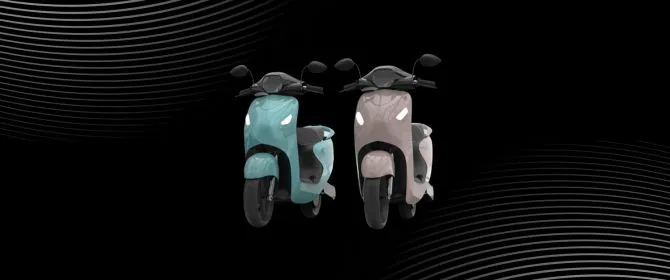
An integrated redesign covering dashboard layout, IP69-rated battery enclosure, mudguard redesign, and brand-consistent charging port integration.
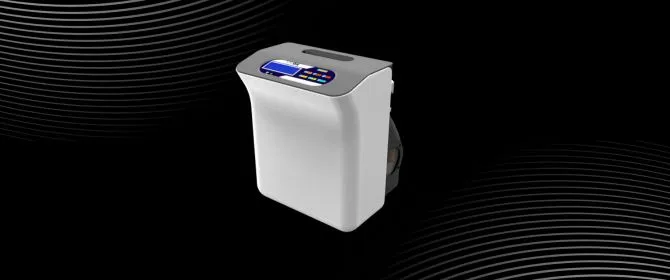
A surgical body warmer redesign covering True HEPA filtration, collapsible hose, triple-sensor safety logic, and modular maintenance.
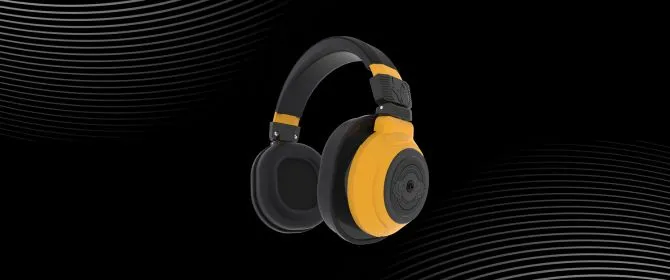
A mechanical design case study covering seamless headband construction, 90° earcup articulation, and an injection molding-ready sliding adjustment mechanism.
 Download Brochure


