
Call Us 24/7
+91 6357173693
Send Us Mail
business@imacengineering.com
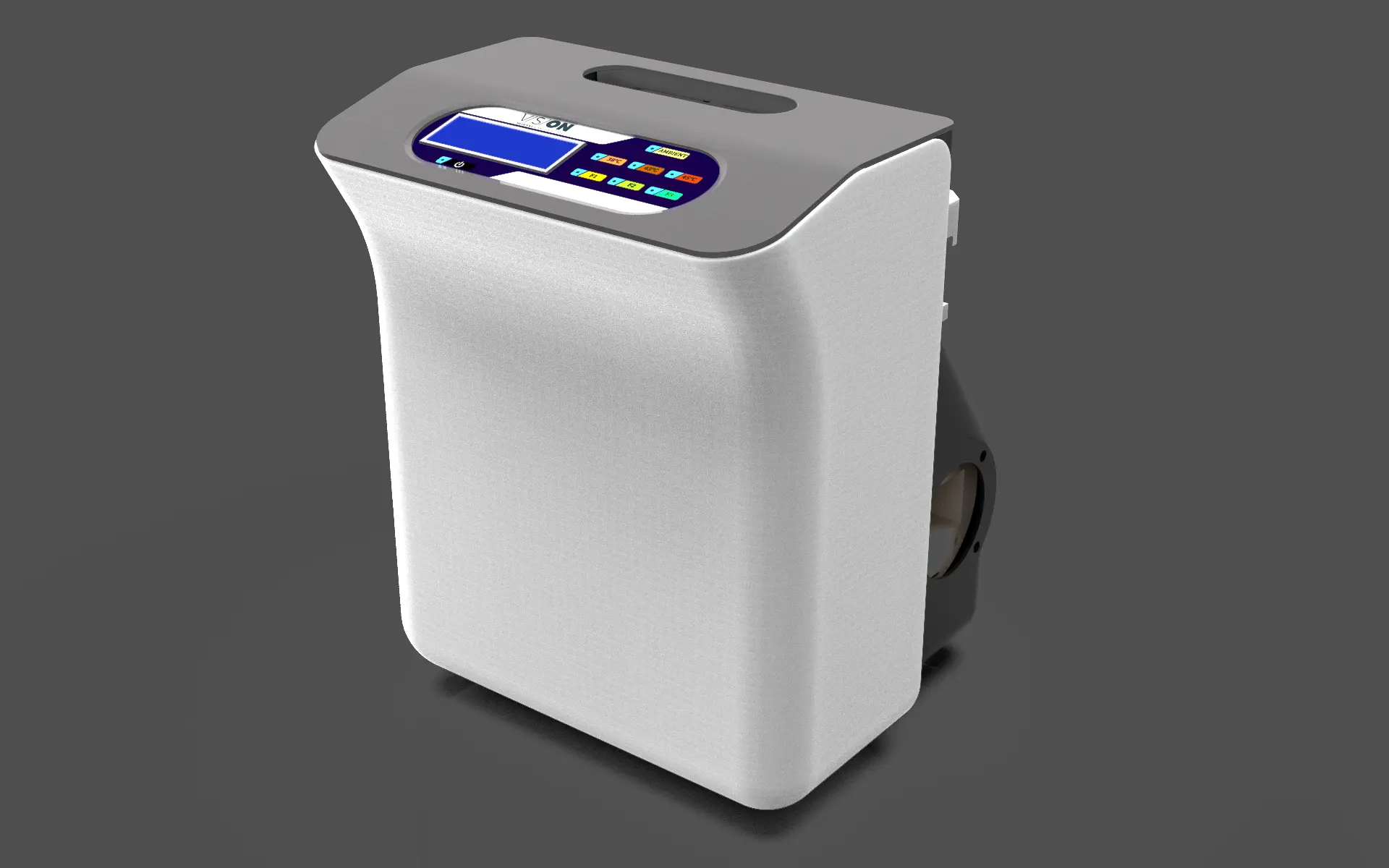
The surgical patient warmer needed a compact, low-noise, patent-conscious design with True HEPA filtration, modular maintenance, collapsible hose, and triple-sensor safety logic.
This case study covers iMAC Design and Engineering Services’ product design and development work on a next-generation surgical body warmer. The project required an original design that maintained patient normothermia throughout surgical procedures without replicating existing patented designs.
| Product | Surgical Body Warmer |
|---|---|
| Industry | Medical Devices and Healthcare |
| Services | Medical Device Design and Development, CAD |
| Stage | New product development |
| Design Scope | Airflow engineering, HEPA filtration, chassis layout, sensor logic, modular maintenance |
The client wanted to develop a next-generation surgical body warmer that was highly compact, whisper-quiet, and inspired by the design quality of foreign medical devices, while remaining distinctly original.
The product had to maintain patient normothermia throughout all surgical stages, incorporate True HEPA filtration for clinical safety, support modular and user-accessible maintenance, and enable a sustainable commercial model through proprietary filter replacements.
The warmer had to reduce unit size significantly without compromising heating efficiency or airflow performance, while satisfying the IP and patent review needed to ensure the design did not violate existing patents.
True HEPA filtration, capable of capturing at least 99.97% of particles 0.3 µm and larger, was essential to reduce surgical-site contamination risk. Standard filters used in many forced-air warmers allow roughly 6 to 36% of sub-0.5 µm particles to penetrate, and internal buildup can cause microbial emission.
Implementing a fully modular design with an intuitive maintenance flow and a reliable triple-sensor safety system added significant mechanical and control system complexity to the overall design.
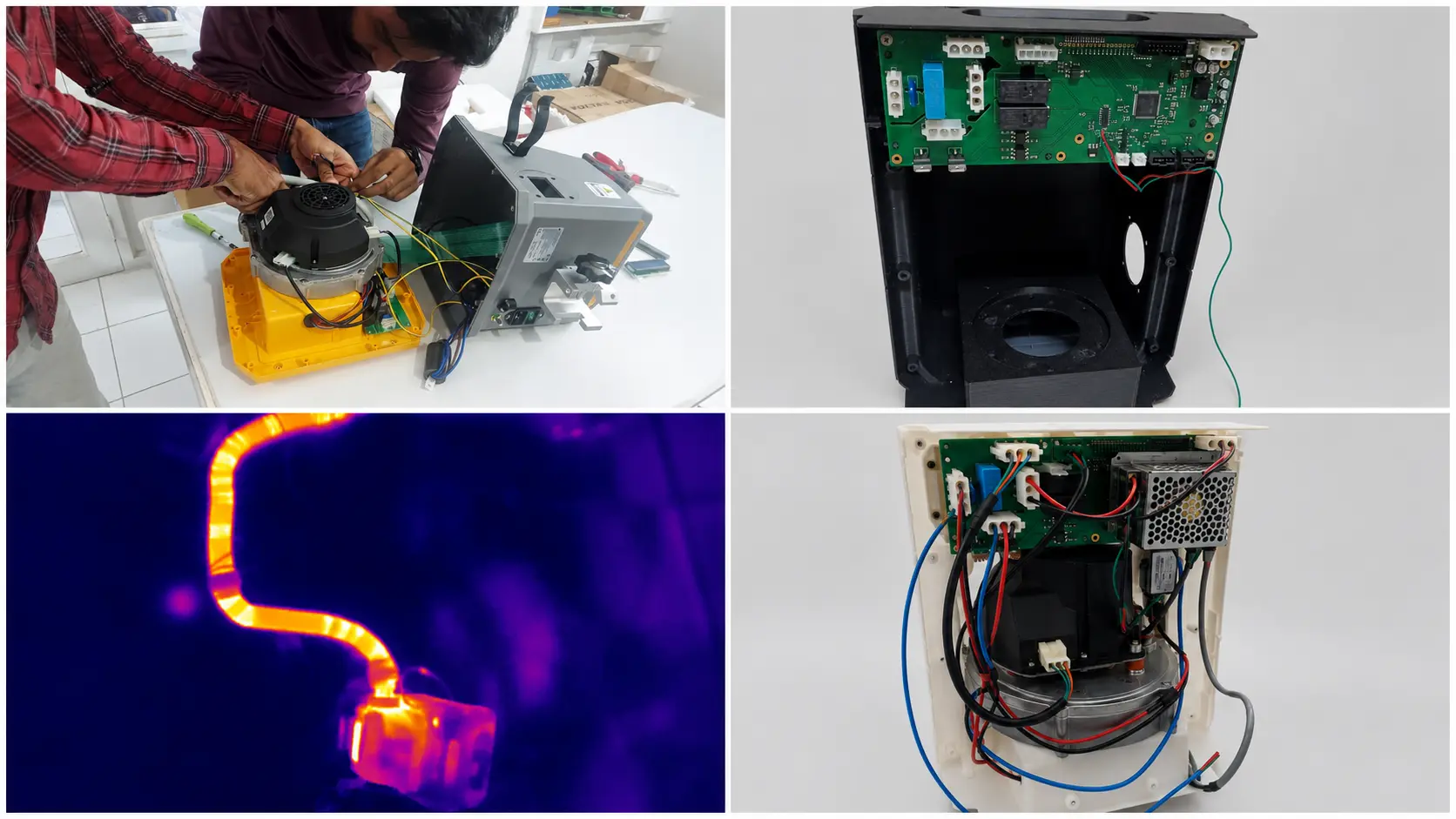
The team researched both Indian and international surgical warmers to understand existing airflow, heating, and control mechanisms. A compact high-capacity blower was selected and a novel airflow pathway was engineered that sidestepped existing patents while maintaining heating efficiency and airflow performance.
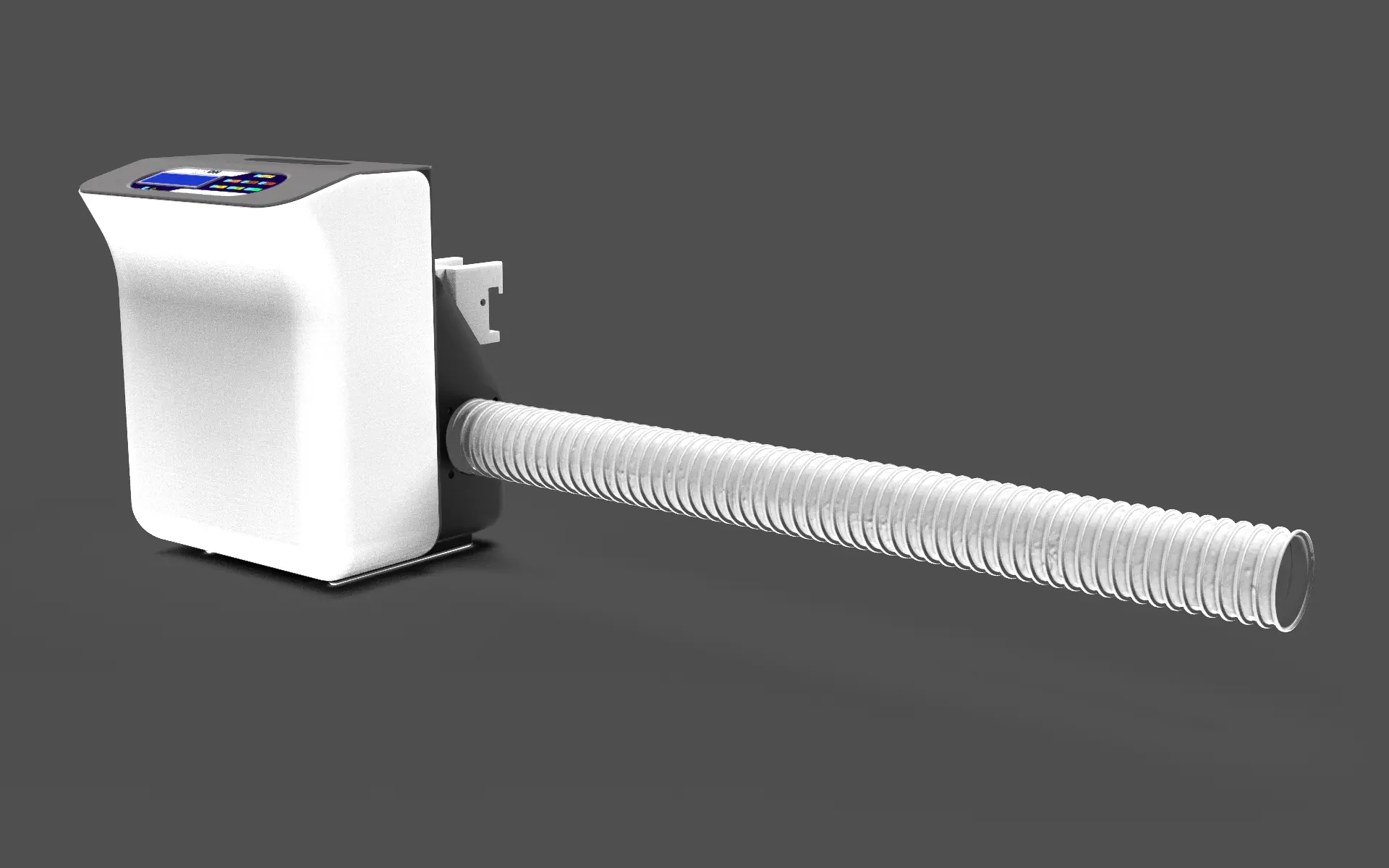
A collapsible hose was integrated into the design, a feature absent in most modern units, to improve portability and reduce the unit’s footprint during storage and transport.
The chassis was designed as a vertical-side unit housing a modular electronics tray and a rear slide-out True HEPA filter compartment. This layout allows filter replacement and maintenance without turning the unit over.
Three sensors covering patient contact, airflow rate, and internal diagnostics were installed with automatic shutdown logic that activates if any anomaly is detected.
The system prompts users to replace the proprietary True HEPA filter every 1,000 hours of operation, supporting operating room safety standards while enabling the client’s proprietary filter replacement model.
The combination of the compact high-capacity blower and the engineered airflow pathway delivers low-noise operation, meeting the whisper-quiet requirement without compromising airflow performance.
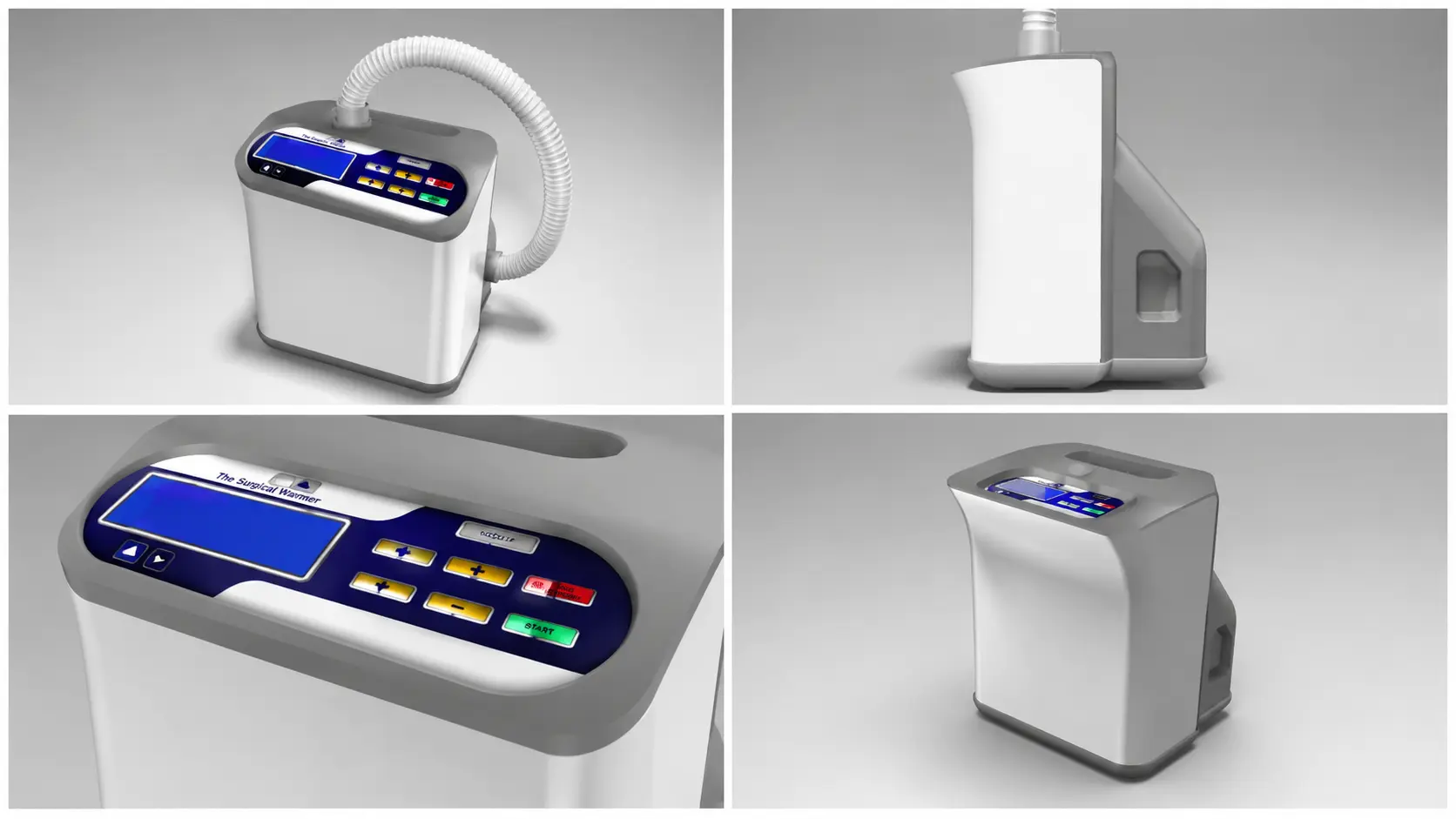
| Feature | Limitation Addressed | New Design |
|---|---|---|
| Unit size | Traditional models and Indian counterparts were larger | Significantly more compact |
| Noise level | Client required whisper-quiet operation | Low-noise airflow |
| Filtration | Standard filters allow 6 to 36% sub-0.5 µm particle penetration | True HEPA, 99.97% capture at 0.3 µm |
| Filter access | Maintenance needed to be user-accessible without repositioning the unit | Rear slide-out compartment, no need to turn the unit over |
| Hose | Collapsible hose was absent in modern units | Collapsible hose for portability |
| Safety logic | Triple-sensor safety logic was a core requirement | Patient contact, airflow rate, and internal diagnostics with automatic shutdown |
| Filter replacement | Proprietary replacement model was required | Prompted at 1,000 hours |
The finished surgical warmer is significantly smaller, quieter, and more cost-effective than traditional models and existing Indian counterparts. Modular internals allow quick servicing, the collapsible hose saves space during storage and transport, and True HEPA filtration reduces contamination risk well beyond what standard forced-air warmers provide. Automated shutdowns and filter change alerts add further safety assurance in operating room use.
Clinically, the device maintains normothermia through forced-air warming, which studies show reduces operative hypothermia and surgical complications without increasing infection risk. The proprietary filter replacement model supports a sustainable commercial strategy alongside the clinical performance the device delivers.

A smart-device control product case study covering industrial design, engineering integration, and market-ready development.
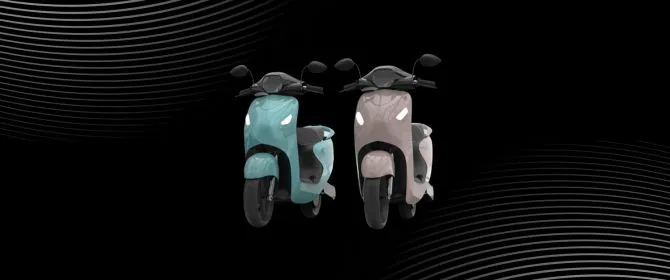
An integrated redesign covering dashboard layout, IP69-rated battery enclosure, mudguard redesign, and brand-consistent charging port integration.

A comprehensive medical device redesign focused on structural refinement, component integration, and improved usability for real clinical environments.
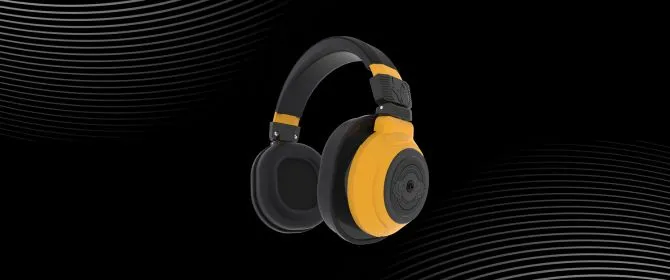
A mechanical design case study covering seamless headband construction, 90° earcup articulation, and an injection molding-ready sliding adjustment mechanism.
 Download Brochure


