From Idea to Market: How Rapid Prototyping Accelerates the New Product Development Process

Discover how rapid prototyping streamlines the product development process, reduces costs, speeds time-to-market, and drives innovation with real user feedback.

Keshav Bhavsar
09 Oct 2025
3 min

Introduction

Product Development  Process

History is full of product ideas that looked great on paper but failed in reality. What separates successful launches from wasted investment is the ability to test and refine quickly. Rapid Prototyping makes that possible, offering teams a tangible way to evaluate design, usability, and functionality in real-time. Instead of waiting until production to discover problems, companies can resolve them early and move forward with clarity.

Prototyping doesn’t just improve products; it shortens the distance between an idea and its market impact.

Key takeaways -

Rapid prototyping creates quick, testable product models from CAD data using 3D printing or CNC.

Companies like Tesla cut development cycles from 5–7 years to 2–3 years with rapid prototyping.

Prototypes vary by fidelity (low, medium, high) and manufacturing method (SLA, SLS, FDM, SLM, etc.).

Key benefits include faster time-to-market, reduced costs, better validation, stakeholder alignment, and lower risks.

Challenges include high equipment costs, wrong methods, extended cycles, skill gaps, and scaling issues.

iMAC Engineering delivers rapid prototyping solutions that combine design usability with manufacturing precision for reliable product launches.

What is Rapid Prototyping?

Rapid Prototyping refers to a set of techniques that allow designers and engineers to create a physical model of a product directly from digital CAD data, often within hours or days. By using tools like 3D printing, CNC machining, or additive manufacturing, it avoids the slow, costly stages of traditional fabrication. The result is a quick, testable version of the product that helps teams explore form, fit, and function before moving to full-scale production.

Tesla Example 

Tesla approaches vehicle development. Instead of spending years on a single concept, they rapidly prototype everything from door handles to battery configurations, testing hundreds of variations before committing to production. This methodology has helped them reduce development cycles from industry-standard 5-7 years to just 2-3 years while maintaining superior quality and innovation.

Types of Prototypes in Rapid Prototyping

When it comes to Rapid Prototyping, prototypes can be viewed through two lenses:

Design fidelity – how closely a prototype mirrors the final product in look, feel, and usability.

Manufacturing methods – the technologies used to physically build the prototype.

At iMAC Engineering, we work across both approaches because true validation requires testing a product’s design intent and its engineering performance.

Design Usability Prototypes (Fidelity Levels)

1. Low-Fidelity Prototypes :

Simple sketches or mock-ups that capture the basic idea. They’re quick, inexpensive, and useful for initial discussions or concept validation.

2. Medium-Fidelity Prototypes :

Interactive models with more detail, often used for user testing and early feedback. Ideal for shaping a Minimum Viable Product (MVP) before investing in full development.

3. High-Fidelity Prototypes :

Close to the final version in design and functionality. These are polished enough for real-world demonstrations and stakeholder buy-in.

Manufacturing/Technical Prototypes (Production Methods)

1. Stereolithography (SLA)

It uses UV light to cure liquid resin into detailed, high-resolution parts. Perfect for accurate visual models.

2. Selective Laser Sintering (SLS)

It builds durable prototypes by sintering powdered materials, commonly used for functional testing.

3. Fused Deposition Modelling (FDM)

This is one of the most common forms of 3D printing in prototyping, ideal for early-stage functional models because it is cost-effective and widely available.

4. Selective Laser Melting (SLM)

It produces high-strength metal parts, often applied in aerospace and automotive projects.

5. Laminated Object Manufacturing (LOM)

It uses stacked layers of material, suited for simpler forms and larger prototypes.

6. Digital Light Processing (DLP)

It is fast and precise, best for intricate designs and small components.

Injection Molding – Typically used after prototyping stages, this process creates high-quality, repeatable parts for small production runs or pre-production validation. It’s valuable when moving from prototype to scalable manufacturing.

Key Benefits of Rapid Prototyping in Product Development

1. Accelerated Time-to-Market

Rapid prototyping reduces the time required for product development, allowing companies to iterate and refine their designs more efficiently, leading to faster product launches and quicker responses to market changes. Teams can validate concepts in days rather than months, dramatically shortening development cycles.

"When developing interactive kiosks our rapid prototyping approach allowed us to test 12 different interface configurations in just 3 weeks. This accelerated validation helped our client launch 6 months ahead of their original timeline." - IMAC Engineering Design Team

2. Significant Cost Reduction

Finding design defects during prototyping costs hundreds of dollars. Finding them during production costs thousands. Rapid prototyping not only accelerates the product development cycle but also reduces expenses by catching problems early when they're easy to fix. This approach eliminates expensive tooling changes and reduces material waste.

3. Enhanced Design Validation

Rapid prototyping allows you to create several different product versions and test them to see which works best. Physical prototypes reveal usability issues, ergonomic problems, and functional limitations that digital models simply can't predict. Real-world testing provides data-driven insights for design optimization.

"Our airplane component prototyping revealed critical aerodynamic issues that CAD simulations missed. The physical wind tunnel testing of our prototype wing assembly components identified airflow disruptions that would have compromised fuel efficiency. This discovery during the prototype phase saved millions in potential redesign costs." - IMAC Engineering Aerospace Division

4. Improved Stakeholder Communication

Physical prototypes replace assumptions with certainty. When stakeholders can touch, test, and interact with a prototype, project alignment improves efficiently. Complex technical concepts become instantly understandable, accelerating approval processes and reducing miscommunication.

5. Risk Mitigation Through Iteration

It allows you to quickly evaluate ideas, test prototypes, and make adjustments before committing to full-scale production. Each iteration reveals potential issues, material limitations, or performance gaps, critical intelligence that prevents costly production mistakes.

6. Market Validation and User Feedback

Early prototypes enable genuine user testing, providing market validation before production investment. This feedback loop ensures products actually solve real problems and meet customer expectations.

Engineers on Reddit often point out that rapid prototyping is not just about having a 3D printer - it’s about knowing when and how to use it. By choosing the right method (FDM, SLS, SLA), teams can prove out a design extremely affordable and fast, reducing risk before investing in expensive tooling.

Strategies for Implementing Rapid Prototyping in Your Development Process

1. Start with Clear Objectives

Begin by clearly defining your objectives for rapid prototyping. Whether it's testing a specific feature, validating a design concept, or exploring manufacturing feasibility, each prototype should answer specific questions.

Unclear objectives lead to unfocused prototyping and wasted resources.

2. Choose the Right Prototyping Method

Speed is most valuable during this phase of product development, so quick-turn or digital manufacturing processes like 3D printing or CNC machining are preferred. Match your prototyping method to your validation goals:

Concept validation: Low-fidelity 3D prints or mockups

Functional testing: CNC-machined parts with production-grade materials

User experience: Interactive prototypes with working interfaces

Manufacturing verification: Injection molded small-batch runs

3. Implement Structured Iteration Cycles

The rapid prototyping process includes three steps: prototyping, testing, and refining. Designers go through these stages in order, improving their solutions based on the prototype testing results. Establish fixed iteration cycles, typically 1-2 weeks, to maintain speed and prevent over-engineering.

4. Approach Cross-Functional Teams

Successful prototyping requires diverse expertise. Include engineers, designers, manufacturing specialists, and end-users in the process. Different perspectives reveal different problems, leading to more robust solutions.

 For instance, at iMAC Engineering, we integrate both design usability and technical manufacturing expertise, helping clients move from sketches to production-ready prototypes without unnecessary delays.

5. Document Everything

Maintain comprehensive documentation throughout the rapid prototyping process. Document design decisions, module functionalities, and any issues encountered. This documentation becomes invaluable for future iterations and production planning.

6. Establish Testing Protocols

Create standardized testing procedures for each prototype iteration. Consistent testing methods enable meaningful comparisons between design versions and provide reliable data for decision-making.

Overcoming Common Challenges in Rapid Product Prototyping

1. High Initial Costs of Equipment

Industrial-grade 3D printers, CNC machines, and post-processing tools require significant investment. For many startups or mid-sized manufacturers, this upfront cost is a barrier.

Solution: Instead of building everything in-house, businesses often outsource prototyping to expert partners.

2. Choosing the Wrong Prototyping Method

Not every technology suits every stage. Using SLS for a basic shape test, for example, wastes time and money, while relying on low-fidelity mock-ups for functional validation leads to misleading results.

Solution: Align the method with the objective. Early sketches and FDM prints are perfect for quick validation, while high-fidelity SLA or short-run injection molding serve well in pre-production trials. Knowing when to use what is the difference between progress and costly detours.

3. Extended Iteration Cycles

Ironically, rapid prototyping can become slow if iteration cycles aren’t planned. Teams often add too much detail too soon or chase perfection in every prototype, causing delays.

Solution: Define iteration goals clearly, test one aspect at a time. For example, validate ergonomics with a low-fi prototype, then durability with a functional print, instead of blending both into one drawn-out cycle.

4. Limited In-House Expertise

Prototyping isn’t just about printing or machining; it’s about converting design intent into a model that proves usability, manufacturability, and market appeal. Many teams lack the cross-functional skills to bridge these areas.

Solution: Collaboration with specialists ensures fidelity in both design and production.

5. Scaling from Prototype to Production

Perhaps the biggest challenge: A prototype that works in isolation doesn’t always work smoothly in mass production. Material changes, tolerances, and compliance issues can derail launches.

Solution: Use bridging methods like short-run injection molding or pre-production prototypes to test manufacturability. This step ensures the leap from prototype to scalable production is controlled and reliable.

How iMAC Can Help with Rapid Prototyping?

Prototyping is only powerful when it bridges imagination with reality. That’s where iMAC Engineering comes in. We don’t just create models, we create working proofs that answer tough questions early: Does it work? Will it last? Do users understand it?

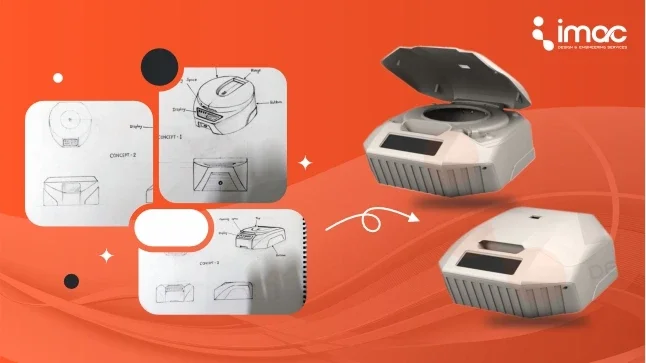
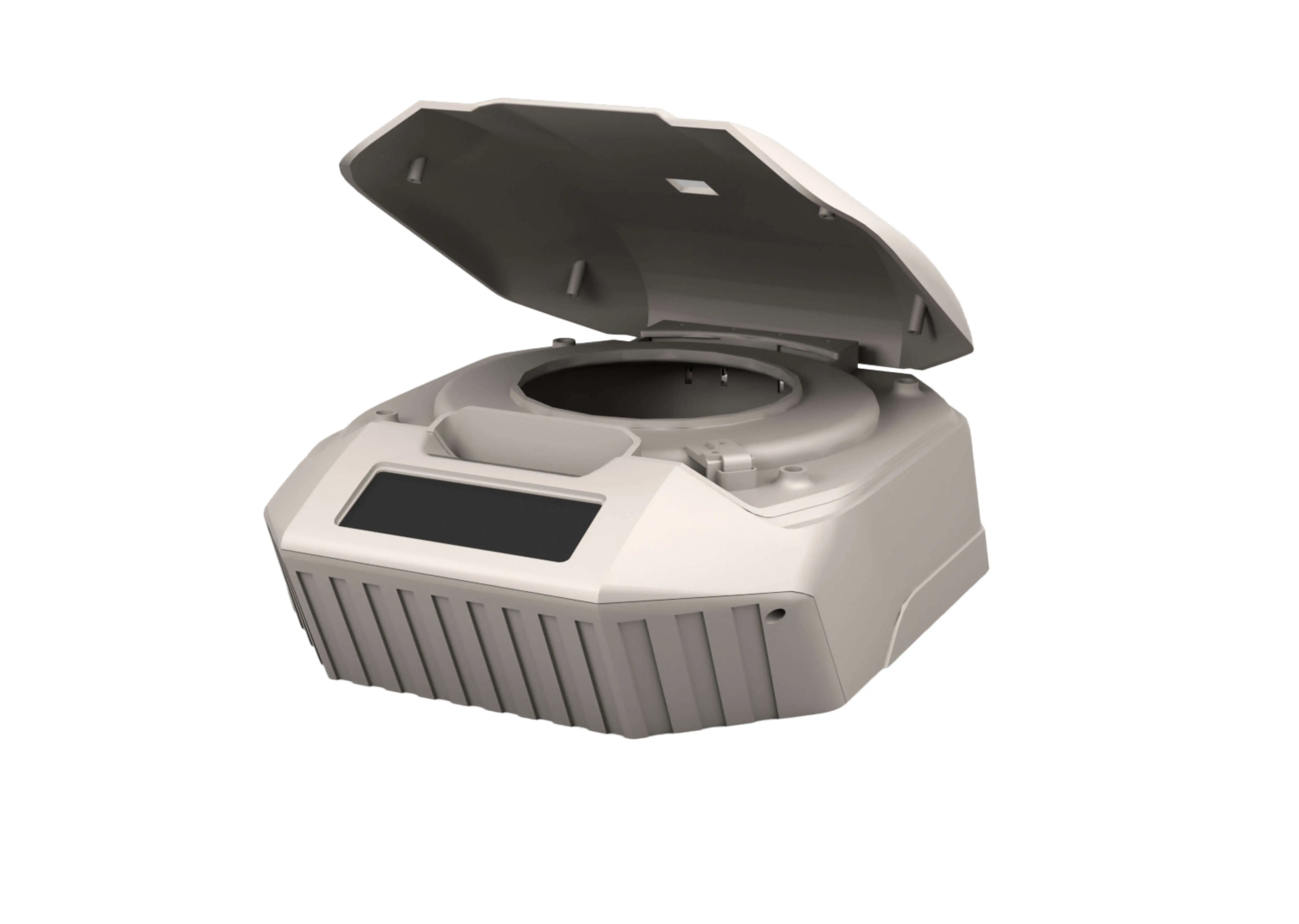
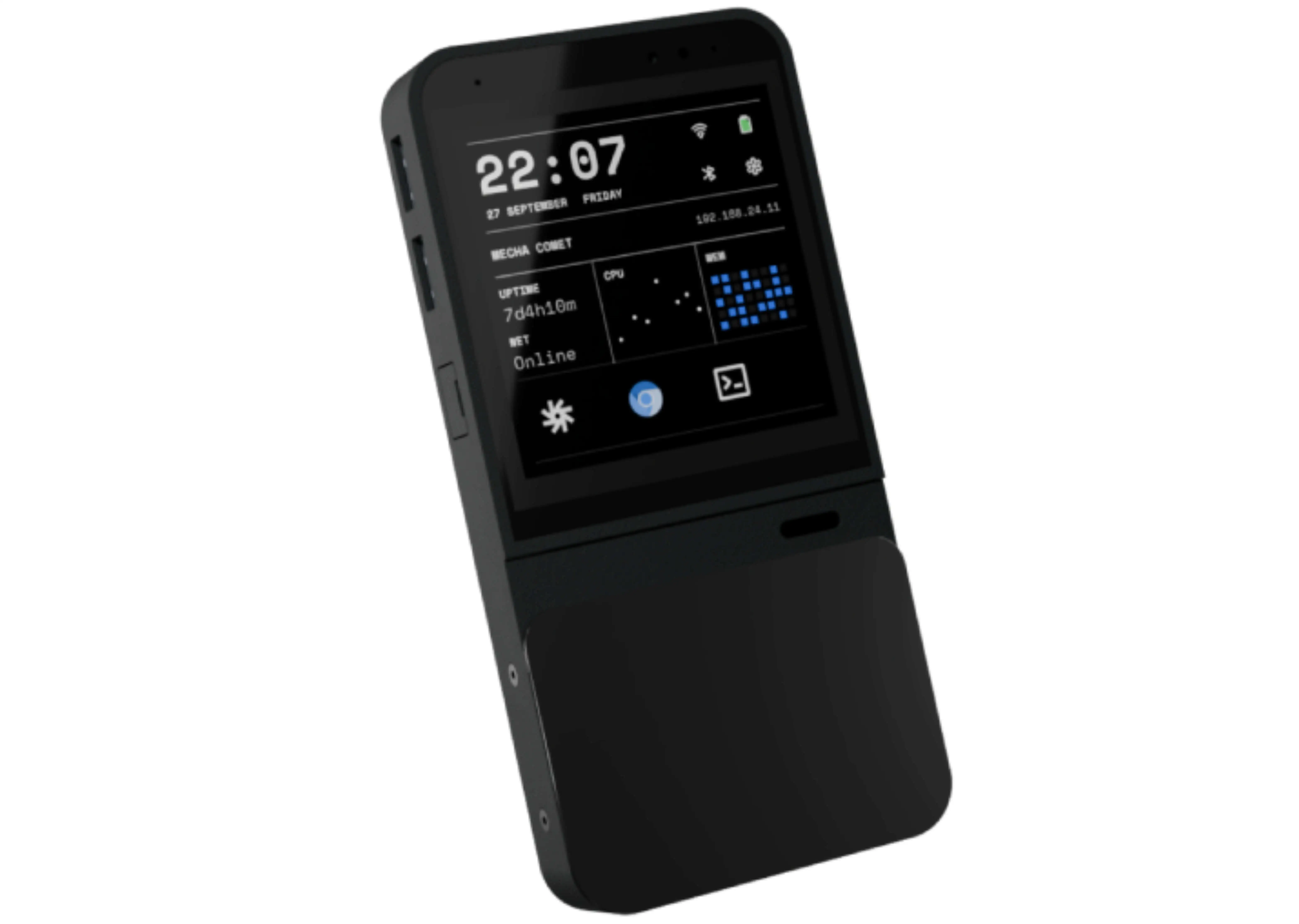
Our portfolio speaks to this approach. From building centrifuge machines for lab testing to designing handheld computers like the Mecha Comet, and even shaping electric vehicle enclosures, every prototype is crafted with one purpose: to give our clients certainty before they invest in full-scale production.

Centrifuge Machine – Laboratory Innovation

Starting with simple ideation sketches, we developed a functional prototype with an ABS enclosure designed for lab testing. This project highlights how rapid prototyping enables accuracy and performance in highly regulated environments like laboratory equipment.

Mecha Comet – Handheld Computing Device

From research sketches to full product engineering, we converted an idea for a handheld computer into a working prototype. By integrating unique modular elements, we helped researchers and developers validate usability and ergonomics long before scaling.

Electric Vehicle – Automotive Application

EV

Rapid prototyping isn’t limited to small-scale products. Our work on electric scooters involved creating plastic enclosure bodies that allowed early testing of form, fit, and design. By trialing aesthetics and ergonomics at the prototype stage, we enabled our client to refine before production.

What sets us apart is our ability to balance design usability with manufacturing precision. A sketch becomes a testable model, a concept becomes a market-ready design. 

“A prototype should do more than look convincing - it should give you the confidence to move forward.”

Why Rapid Prototyping Will Remain a Cornerstone of Product Development

Rapid Prototyping will remain a cornerstone of product development because it combines speed, cost-efficiency, and risk reduction.

As products grow more complex and user expectations rise, prototypes allow teams to test, refine, and validate ideas early, ensuring faster time-to-market and fewer costly errors. In every industry, from consumer electronics to automotive and medical devices, rapid prototyping provides the clarity and confidence needed to innovate continuously.

FAQ's

1) What is rapid prototyping in product development?

It’s the process of quickly creating physical or digital models from CAD data to test design, usability, and function before full production.

2) Why is rapid prototyping important in product development?

Rapid prototyping is crucial in product development because it allows companies to quickly create tangible prototypes of their ideas.

3) At what stage of product development should a company start rapid prototyping?

Right after concept design, once ideas are sketched, prototyping helps validate feasibility before heavy investments.

4) How does rapid prototyping differ from traditional prototyping methods?

Traditional methods are slower and costly, while rapid prototyping uses advanced tech like 3D printing to deliver faster, cheaper iterations.

5) How does rapid prototyping help in validating product ideas early?

By converting concepts into tangible models, teams can test functionality and gather real feedback before scaling.

6) How does rapid prototyping reduce time-to-market?

It accelerates design iterations, cuts rework, and enables faster validation bringing products to launch in weeks instead of months.

Start Your Prototyping Journey with iMAC Engineering Today

The companies winning in today's market share one thing: they prototype early, iterate fast, and launch with confidence. iMAC Engineering's proven track record across automotive, medical devices, and consumer electronics, along with other heavy industries means your project gets the expertise it deserves from day one. Contact us today.

Author

Keshav Bhavsar

CEO & Technical Director

Keshav Bhavsar is the CEO and Technical Director of iMAC Design & Engineering Services, bringing over 7 years of expertise in mechanical design and product development. he has successfully led end-to-end product development projects across industries including consumer electronics, medical devices, automotive, and industrial machinery. Under his leadership, iMAC has grown into a trusted partner for startups and enterprises worldwide, delivering innovative design, prototyping, and manufacturing solutions.

One-on-one with iMAC Design & Engineering

Schedule a Consultation
SEND INQUIRY WHATSAPP CALL